Loading…

NovelBrief · Novels
What Is a System Novel? The Web-Fiction Device Explained
What is a system novel? Learn how status screens, quests, and rewards shape web fiction, and why the device is not automatically LitRPG.
5 min readBy Mei-Lin Zhao
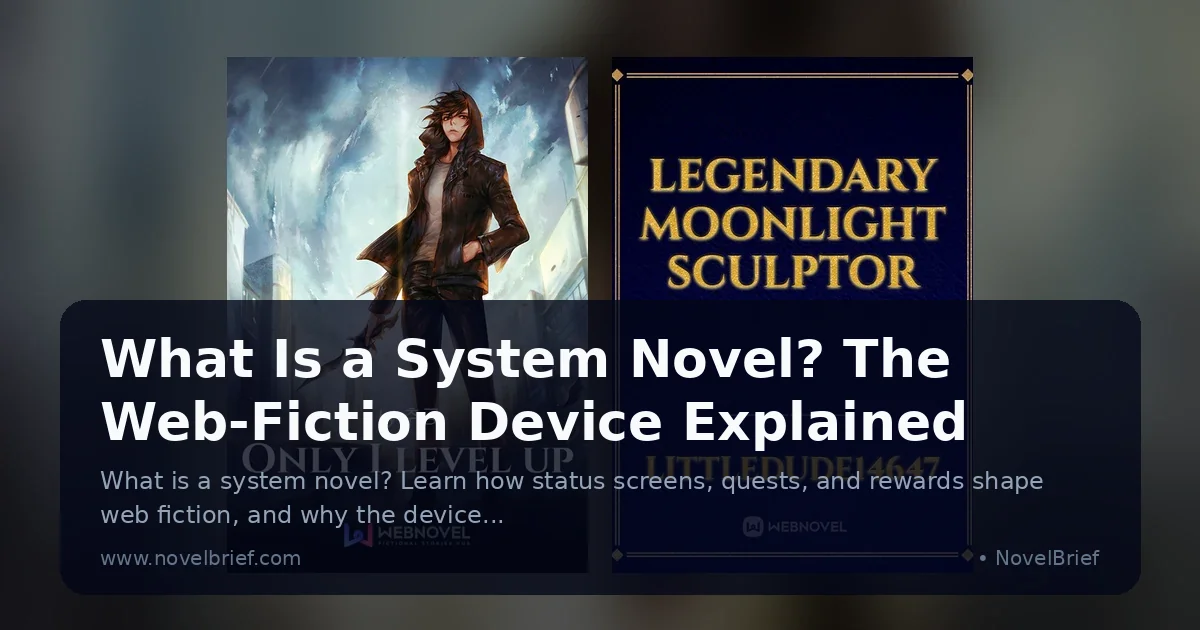
What is a system novel? It is web fiction where a visible or hidden system gives the protagonist information, tasks, rewards, restrictions, or measurable progress. The system can resemble a game interface, but it is a storytelling device first. It creates choices under pressure and makes the reader ask what a reward will cost.
TL;DR: What is a system novel? It is fiction where a system organizes information and consequences for the protagonist. It may borrow game language without becoming a game-world story.
Key Takeaways
- A system can show quests, skills, statistics, deadlines, or punishments.
- The device appears in fantasy, romance, science fiction, cultivation, and contemporary stories.
- System fiction overlaps with LitRPG but does not require a literal game world.
- The best systems create constraints rather than handing out free solutions.
Overview
 Two real, officially published system novels: Solo Leveling and The Legendary Moonlight Sculptor (both Webnovel.com).
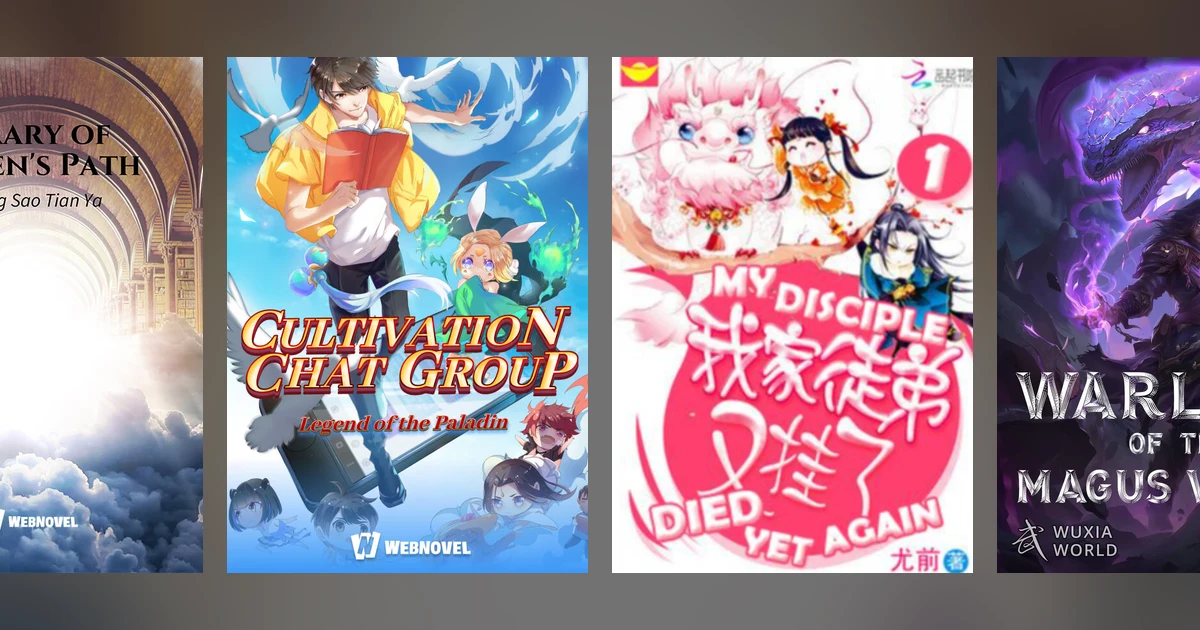
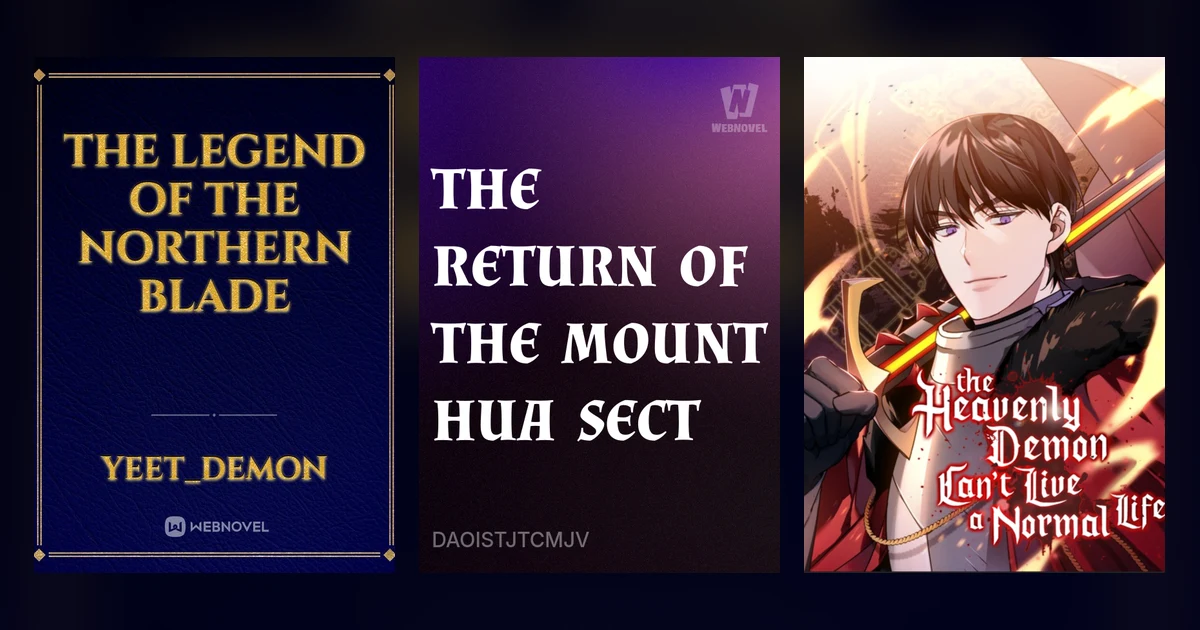
WebNovel search results show how broad the label has become: system-tagged stories can be fantasy, urban fiction, reincarnation, cultivation, or romance. That variety is the first thing a reader should understand. “System” tells you about the mechanism that moves the plot, not the setting or tone.
What Is a System Novel Doing to the Plot?
A system gives a character a scoreboard. It may display a task, but the task is rarely the whole point. The useful question is what the character loses by refusing it and what new problem follows from success. A system that only raises numbers becomes repetitive. A system that creates competing obligations can support mystery, comedy, or moral conflict.
This is why system fiction can sit comfortably inside cultivation stories. A protagonist may still need qi, sect standing, and difficult breakthroughs. The screen does not erase the world around it. It changes how information reaches the protagonist. Our cultivation glossary explains why those established terms still matter.
A broad fantasy setting can use the same mechanism without becoming cultivation fiction.
What Is Xuanhuan? →
What Is a System Novel Not?
It is not automatically LitRPG. LitRPG normally makes game-like rules central to the world or its conflict. A system novel can do that, but it can also give one character private prompts in an otherwise ordinary world. It is not automatically isekai either. Reincarnation and transmigration often appear beside systems, but either device can work on its own.
The distinction helps readers avoid false promises. Someone looking for party tactics and a shared game world may be disappointed by a private quest system. Someone who wants cultivation politics may not care whether a protagonist can see a numerical stat screen.
What Is a System Novel Worth Reading For?
Read one for the decisions it sharpens. A good opening establishes the system's rule, its blind spot, and the protagonist's reason not to trust it. It also lets the surrounding characters retain agency. If every obstacle vanishes after a notification, the premise has no friction.
Check the platform listing and sample several connected chapters before committing. A serial can change its relationship to the system after the setup. The first reward should not be your only evidence of what the story intends to become.
What Is a System Novel Asking You to Track?
A clear system gives the reader three things to track: the rule, the information the protagonist does not have, and the price of acting on that information. A quest can look generous because it gives a reward, yet still be dangerous if declining has consequences or if completion changes who is watching. That is where the mechanism becomes a narrative tool instead of a notification generator.
This also explains why systems work so well in serial fiction. A chapter can close on a new constraint without pretending the entire arc has ended. The next installment can test whether the protagonist understood the rule correctly. The pattern becomes tedious only when every prompt has the same answer. Look for a system that creates choices between allies, goals, or time, rather than a screen that supplies a solution whenever the plot slows down.
Readers can also use this lens when comparing a system story with cultivation fiction. Both often make progress legible, but cultivation usually distributes knowledge through teachers, manuals, sects, and experience. A system delivers information through an interface or hidden contract. The contrast changes the social shape of a story. One hero must negotiate a world’s traditions; the other may have to conceal the private source that lets them break those traditions.
That distinction lets a reader judge the opening more fairly. Do not ask only whether the first reward is impressive. Ask whether the rule creates a future complication the story has to honor.
Cultivation stories make progress visible through a different vocabulary.
Cultivation Novel Terms →
Frequently Asked Questions
Is a system novel always fantasy?
No. Systems appear in urban, historical, science-fiction, romance, and cultivation stories.
Does system fiction mean the protagonist is overpowered?
No. Some systems impose strict costs, limited information, or punishments that make progress harder.
Can a system novel be LitRPG?
Yes. The categories overlap when game rules are central to the world and narrative.
Is a status screen required?
No. Some stories reveal the system through voices, contracts, rewards, or rules rather than a visible interface.
Why are quests so common?
Quests give serialized fiction an immediate objective and a natural chapter-ending pressure point.
Related Reading
References
About the author

Danmei & Genre Critic
Danmei and xianxia critic with a background in comparative literature, writing about Chinese web fiction in English since 2019. Toronto-based.
- Writing about danmei and xianxia in English since 2019
- Graduate background in comparative literature
- Tracks the fan-translation-to-official-license pipeline
- Follows Seven Seas' convention announcements directly
Disclaimer
This article is published for informational and entertainment purposes. It does not constitute professional financial, legal, or technical advice. Series availability, platform access, translation status, and chapter counts change. Verify critical details (pricing, regional availability, official translation status) with publishers and platforms. Affiliate links, where present, help support our editorial work and are labelled in our affiliate disclosure.
Comments
Loading comments…