Loading…
NovelBrief · Novels
What Is Danmei? A Beginner's Guide to Chinese Fiction
What is danmei? A plain-language guide to Chinese male-male romance fiction: its Japanese BL roots, JJWXC platform, and where to read it in English.
7 min readBy Mei-Lin Zhao
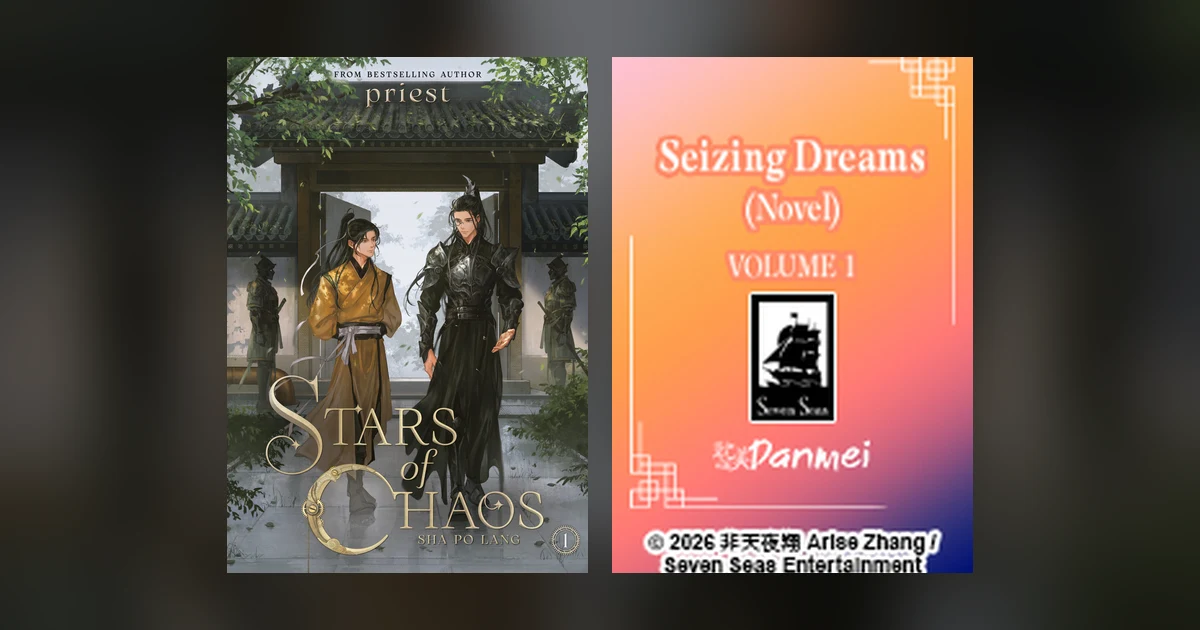
TL;DR: What is danmei? It's Chinese fiction centered on male-male romance, inspired by Japanese BL and Western slash fiction, mostly written by and for women, and mostly published first on the platform JJWXC. It isn't a setting genre like xianxia, it's a relationship genre that can appear inside almost any setting.
Key Takeaways
- Danmei (耽美) means "indulging in beauty" and refers to Chinese fiction built around male-male romantic relationships.
- It emerged online in the late 1990s, directly inspired by Japanese BL (Boys' Love) and Western slash fiction, then developed its own Chinese-specific conventions.
- JJWXC (Jinjiang Literature City), founded 2003, is danmei's dominant platform, hosting hundreds of thousands of titles.
- Danmei isn't tied to any one setting: it shows up in historical drama, sci-fi, campus romance, and modern supernatural stories, and frequently overlaps with xianxia or wuxia worldbuilding without requiring either.
What Is Danmei, Exactly?
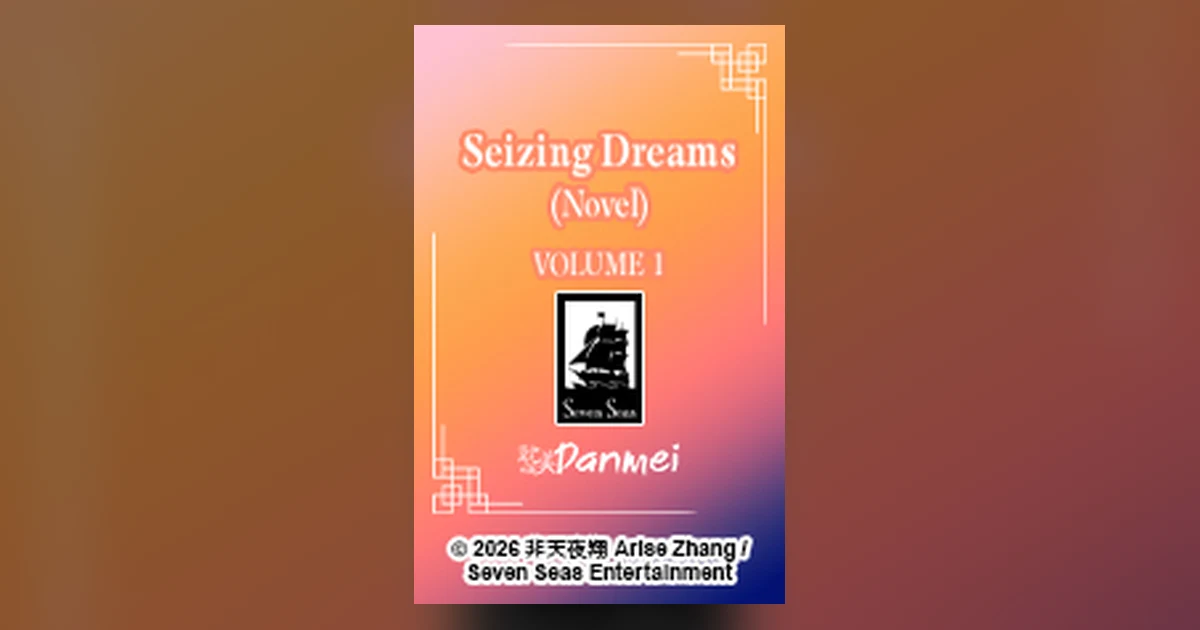
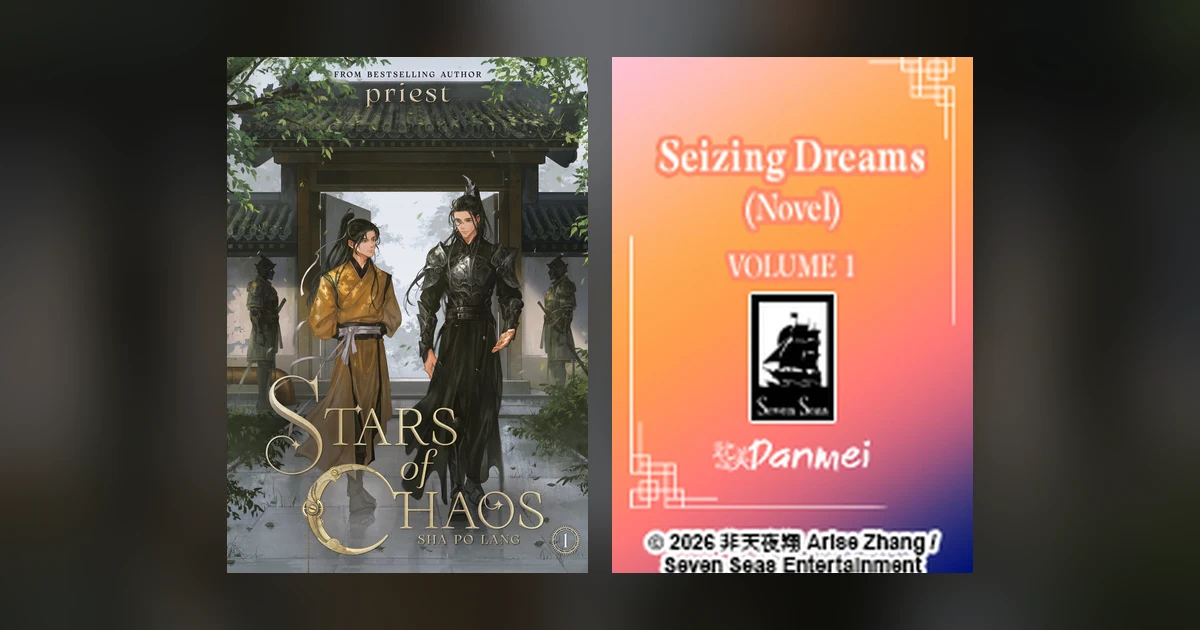 Two real, officially licensed danmei covers: Sha Po Lang (left) and Seizing Dreams (right), both from Seven Seas Entertainment's Danmei imprint.
What is danmei, in the simplest terms? It's a relationship genre, not a setting genre. Danmei fiction centers on romantic and sexual relationships between men, and that focus is the actual genre boundary, everything else (time period, magic system, tone) is free to vary. The term itself, 耽美, literally means "indulging in beauty," and the danmei meaning has stayed remarkably stable even as the settings it appears in have multiplied.
The genre traces directly back to Japanese BL (Boys' Love, also called yaoi) and Western slash fiction, both of which reached Chinese readers online in the late 1990s. Chinese fans and writers adapted the form, and danmei grew into its own distinct tradition rather than staying a translated offshoot, with its own platforms, conventions, and now its own overseas fanbase. The danmei vs BL question comes up constantly among new readers, and the honest answer is that they're siblings, not the same thing: shared roots, separate industries, separate platforms, and increasingly separate reader expectations after two and a half decades of growing apart.
Danmei is also predominantly written by and for women, a pattern it shares with Japanese BL. That's not incidental to the genre. It shapes what gets emphasized: emotional interiority and relationship dynamics tend to matter as much as, or more than, plot mechanics.
What Is Danmei's Home Platform?
Nearly all major danmei novels originate as web serials on JJWXC (Jinjiang Literature City), founded in 2003. JJWXC is the dominant Chinese platform for female-targeted web fiction generally, and danmei is its flagship genre, hosting hundreds of thousands of titles at every level of popularity. Priest, the author behind Sha Po Lang, serialized there, and JJWXC's role in danmei is roughly analogous to Qidian's role in xianxia: it's the platform where a title has to succeed first before it has any chance of an official translation or adaptation.
Curious how a platform-first success story actually turns into an English print release?
Seven Seas Licenses Danmei Novel Seizing Dreams for 2026 →
From there, a successful danmei novel can branch into manhua (comics), donghua (animation), audio dramas, and live-action adaptations, the same multimedia pipeline that turned Sha Po Lang into "Stars of Chaos" on the page and inspired screen adaptations in its home market.
What Danmei Is Not: A Note on Setting
This is where beginners most often get confused. Danmei is not a synonym for xianxia, and it's not automatically historical. A danmei story can be set in a modern office, a science-fiction colony, a high school, or a Daoist cultivation sect, and the genre label doesn't change. What defines it is the central relationship, not the backdrop.
That said, the overlap with xianxia and wuxia is real and common enough to cause genuine confusion: a story can be both danmei and xianxia at once, with a male-male romance running through a cultivation-and-immortality plot. Sha Po Lang is a clean example of the reverse overlap, a danmei novel built on steampunk-military wuxia-adjacent worldbuilding rather than cultivation. Neither combination is required, and plenty of danmei has no genre-fiction trappings at all.
Want the fuller breakdown of what actually separates a cultivation-genre setting from everything else?
What Is Xianxia? A Beginner's Guide to Cultivation Novels →
Frequently Asked Questions
Q: What does danmei mean? A: Danmei (耽美) literally translates to "indulging in beauty." As a genre label, it refers to Chinese fiction centered on romantic and sexual relationships between men, most often written by and for women.
Q: Is danmei the same as BL? A: They're closely related but not identical. BL (Boys' Love) is the Japanese term for the same broad category. Danmei is specifically the Chinese tradition, which emerged online in the late 1990s directly inspired by Japanese BL and Western slash fiction, then developed its own conventions and platforms.
Q: What platform do most danmei novels come from? A: Jinjiang Literature City, known as JJWXC, founded in 2003. It's the dominant Chinese platform for female-targeted web fiction, with danmei as its flagship genre, hosting hundreds of thousands of titles.
Q: Is danmei always xianxia or wuxia? A: No. Danmei is defined by its central male-male relationship, not by setting. It ranges across historical drama, science fiction, campus romance, and modern supernatural stories, and it frequently blends with xianxia or wuxia worldbuilding, but neither is required.
Q: Where can I read danmei in English? A: Seven Seas Entertainment runs a dedicated Danmei imprint publishing official, uncensored English print editions. Some titles also get official app-based translations; unauthorized MTL scrape sites should be avoided.
Related Reading
- Sha Po Lang Review
- Seven Seas Licenses Danmei Novel Seizing Dreams for 2026
- What Is Xianxia? A Beginner's Guide to Cultivation Novels
References
[1] Wikipedia: Danmei [2] Seven Seas Entertainment: Danmei imprint [3] DanmeiNews.com: What Is Danmei?
About the author

Danmei & Genre Critic
Danmei and xianxia critic with a background in comparative literature, writing about Chinese web fiction in English since 2019. Toronto-based.
- Writing about danmei and xianxia in English since 2019
- Graduate background in comparative literature
- Tracks the fan-translation-to-official-license pipeline
- Follows Seven Seas' convention announcements directly
Disclaimer
This article is published for informational and entertainment purposes. It does not constitute professional financial, legal, or technical advice. Series availability, platform access, translation status, and chapter counts change. Verify critical details (pricing, regional availability, official translation status) with publishers and platforms. Affiliate links, where present, help support our editorial work and are labelled in our affiliate disclosure.
Comments
Loading comments…