Hundun in Chinese Mythology: The Faceless God of Chaos
Hundun is the shapeless world before creation, given a body with no face. The Daoists mourn it, the Confucians banished it, and xianxia sells it as a power-up.
Verdict: Hundun (混沌) is primordial chaos and the faceless being that embodies it. Read the Zhuangzi's short parable first: it's the best version, and it explains the rest.
Hundun in Chinese mythology is chaos with a body. The name (混沌, hùndùn, literally "muddled confusion") covers the formless soup the universe was before heaven and earth split, and a faceless being who personifies it. Its best story is four sentences long and ends with a corpse, and we think it's still the sharpest comment anyone has made on the cultivation-novel dream of self-improvement.
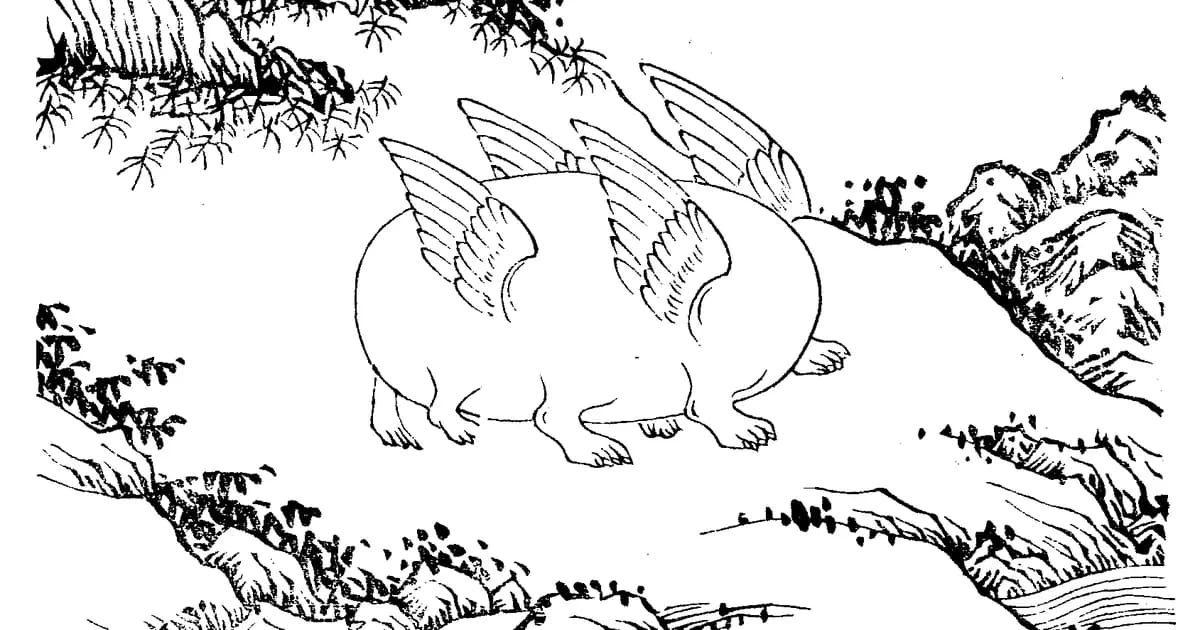
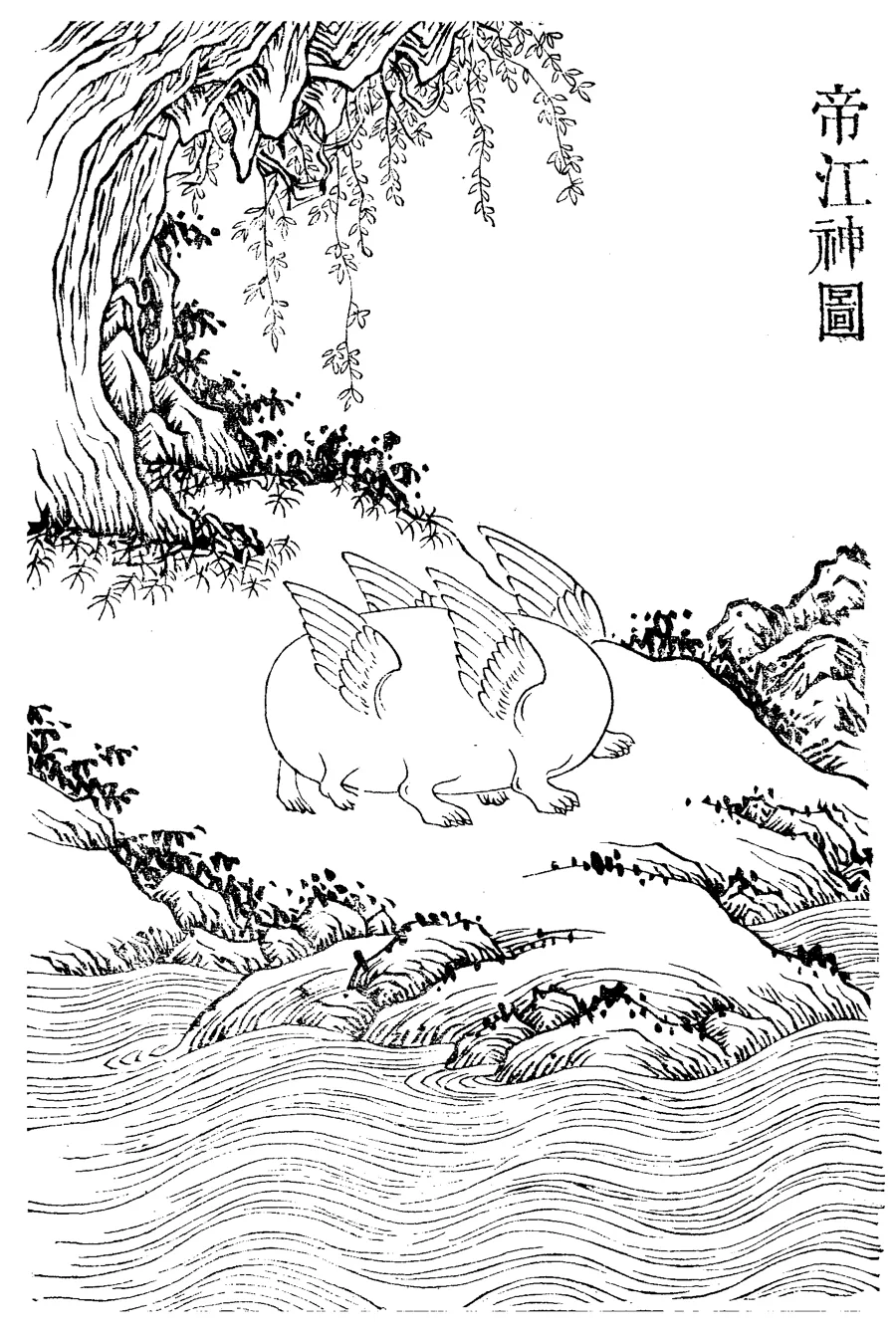 Image: "Picture of the god Dijiang" from the Gujin Tushu Jicheng (1700-1725), public domain, via Wikimedia Commons
Hundun in Chinese mythology starts with seven holes
The Zhuangzi, the Daoist classic whose first chapter opens with the giant fish Kun, closes its seventh chapter with Hundun. We read the passage in Chinese on Wikisource, and it really is that short.
The emperor of the South Sea was Shu, the emperor of the North Sea was Hu, and the emperor of the center was Hundun (渾沌). Shu and Hu met in Hundun's land from time to time, and he treated them very well. Wanting to repay him, they came up with a plan. In Burton Watson's translation: "All men," they said, "have seven openings so they can see, hear, eat, and breathe. But Hun-tun alone doesn't have any." So they started drilling: 日鑿一竅,七日而渾沌死. One hole a day, and on the seventh day Hundun died.
Nobody in it is a villain. Shu and Hu are generous guests paying back a kindness, and their names both carry the sense of "suddenness; quickness." Two fast-moving gods improve a slow, whole one by making him more like themselves, and the improvement kills him. A Tang poem in the Hanshan collection took it personally: "Who came along with his drill / And bored us full of these nine holes?"
A singing sack: Hundun in the Shan Hai Jing
The Shan Hai Jing gives the faceless one an address. In its "Classic of the Western Mountains," on Heaven Mountain (天山), there's a god "like a yellow sack," "scarlet like cinnabar fire," with "six feet and four wings." The key line in Chinese is 渾敦無面目,是識歌舞: muddled and thick, with no face or eyes, and it knows how to sing and dance. Its name is Dijiang (帝江).
The commentary printed beside that line in the Wikisource edition makes the connection for you. It cites the Zhuangzi's "emperor of the center, Hundun," drilled by Shu and Hu until he died of seven openings, and says the story probably borrowed this god to make a parable (蓋假此以寓言也).
This is our favorite version. The woodblock above shows exactly what the text says: a round body, a lot of wings, no head to speak of. It can't see, but it knows music. Whatever you'd call that, it isn't stupidity.
Hundun as a villain: first of the Four Perils
The Confucian record turns the same name into an insult. The Zuo Zhuan entry for the eighteenth year of Duke Wen describes a son of Di Hong who was "shameless and vile, obstinate, stupid, and unfriendly"; "All the people under heaven called him Chaos" (天下之民,謂之渾敦). When Shun served Yao as minister, he banished four wicked clans to the edges of the world: Hundun, Qiongqi, Taowu and Taotie, the Four Perils (四凶). James Legge's translation calls them "Chaos, Monster, Block, and Glutton."
A later book, the Shenyi Jing ("Classic of Divine Wonders"), makes Hundun a dog on Mount Kunlun. "It has eyes but can't see," it has two ears but can't hear, and "It punches virtuous men and stays with the non-virtuous." For good measure, "He always gnaws his tail, going round and round. Everyone ridiculed him."
That's the split running through Hundun in Chinese mythology: the same faceless figure gets opposite verdicts. In the Daoist texts, Hundun is the wholeness we lost when everything got labeled and sorted. In the Zuo Zhuan, it's what a sage-king has to throw out before civilization can start. Which book you read first decides whether you think Hundun is a god or a monster, and we'd start with the Zhuangzi.
Chaos before the world: Pangu's egg
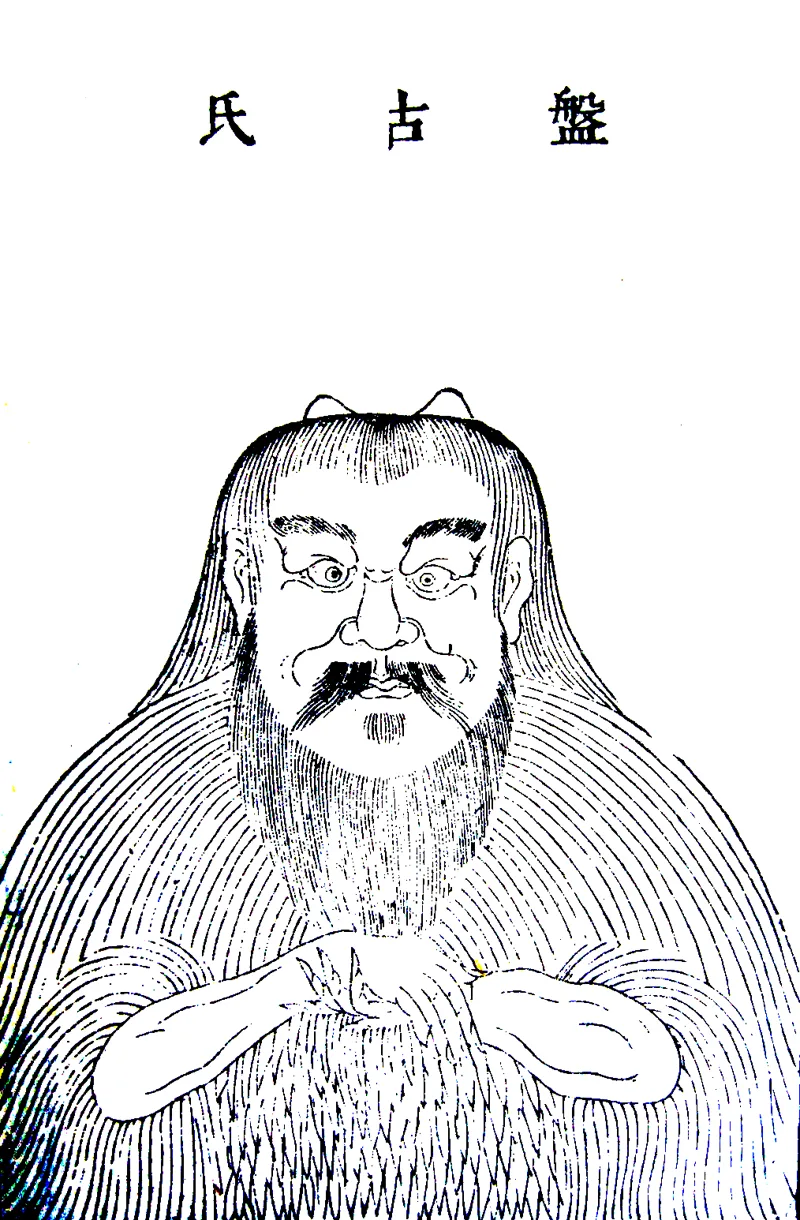 Image: Pangu, Sancai Tuhui (c. 1607), public domain, via Wikimedia Commons
The cosmic sense of hundun is older than any one creature: the undivided state before heaven and earth, often compared to an egg, a whole world round and closed in itself. Pangu's story grows out of that egg. Xu Zheng, writing in the Three Kingdoms period, is believed to be the earliest writer to record the Pangu myth, in his Sanwu Liji. As the story is told, a featureless, formless primordial state became a cosmic egg over about eighteen thousand years, Pangu emerged, and he separated yin from yang.
The word also turns up on menus. Wonton, húntun (餛飩), is cognate with hundun and written with the food radical; the scholar Victor Mair has called the soup a metaphor for chaos, though wonton soup isn't attested before the Han. If you've searched "hundun food" and landed here, that's the link.
Western pop culture keeps the faceless body. Morris, Trevor's companion in Shang-Chi and the Legend of the Ten Rings, is a Hundun. The second kaiju to make landfall in Pacific Rim is named Hundun. In Spelunky 2, Hundun is an optional final boss, a giant egg with legs, wings, a snake head and a bird head.
Hundun in Chinese mythology vs Hundun in web novels
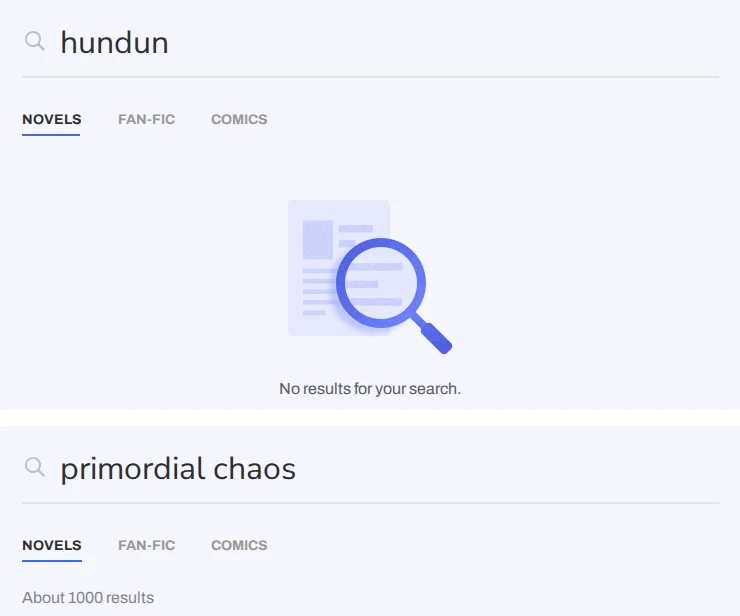 Screenshot: Webnovel searches for "hundun" and "primordial chaos", October 22, 2026
On Webnovel, the name doesn't survive translation. A search for "hundun" on October 22 returned "No results for your search." A search for "primordial chaos" returned "About 1000 results." The translators keep the cosmic sense and drop the beast. Chaos turns into a power source, the kind the hero is born with.
The synopses on that first page show the pattern. The Primordial Chaos System stars "A Boy named Su Long possessing Innate Chaotic Physique." Primordial Chaos God opens by explaining that "People in the myriad realms began cultivation by opening their spirit meridians." A much older example is Chaotic Sword God, whose Chinese title is Hundun Jian Shen (混沌剑神), by Xin Xing Xiao Yao, which r/noveltranslations was getting chapter by chapter from Gravity Tales in 2016.
Put that next to the Zhuangzi and it reads like a reversal. In the parable, every opening drilled into Hundun brings it closer to death. In the novels, a hero carrying chaos inside him gets stronger with every meridian he opens. We don't hold that against the genre; power fantasies need power. But the Shu-and-Hu plot (kind helpers who destroy you by improving you) would make a better antagonist than anything in those synopses, and none of them reaches for it.
When u/Galaxy-Fighter posted a video on Hundun to r/noveltranslations, the summary put the moral where we would: the story is about "the consequences of imposing order upon what is naturally whole." That's the right takeaway, and it's the one the chaos-physique novels skip.
Where to go next
Hundun sits in two crowds. For the Four Perils, start with Taowu, the next name on Shun's list. For the Zhuangzi's other beast, the Kunpeng page covers the fish that becomes a bird. The Qilin is the bestiary's idea of a good omen, and the cultivation novel glossary has the meridians and physiques the chaos novels run on.
How we checked this
On October 22, 2026 we read the Hundun parable (chapter 7) and the opening of chapter 1 of the Zhuangzi in Chinese on Wikisource, the Heaven Mountain passage of the Shan Hai Jing with its printed commentary, and the Zuo Zhuan entry for the eighteenth year of Duke Wen. The English translations and the Shenyi Jing, Hanshan, Pangu, wonton and pop-culture details come from the English Wikipedia pages for Hundun, the Four Perils and Pangu. We also checked the Wikimedia Commons file pages for the two images, ran three Webnovel searches ("hundun", "primordial chaos", "chaotic sword god"), and read the r/noveltranslations threads. We haven't read the novels named above; what's said about them comes from their own synopses.
Related Reading
- Taowu in Chinese Mythology
- Kunpeng: The Myth Behind Xianxia's Giant Sky Beasts
- Shan Hai Jing: Classic of Mountains and Seas Explained
- Qilin in Chinese Mythology
References
[1] Wikisource (Chinese): 莊子/應帝王 [2] Wikisource (Chinese): 山海經/西山經 [3] Wikisource (Chinese): 春秋左氏傳/文公 [4] Wikipedia: Hundun [5] Wikipedia: Four Perils [6] Wikipedia: Pangu [7] Wikimedia Commons: 帝江神圖 (Gujin Tushu Jicheng) [8] Webnovel: search results for "primordial chaos" [9] r/noveltranslations: Exploring Hundun, the Primordial Embodiment of Chaos

About the author

Danmei & Genre Explainers Desk
Pen name for NovelBrief's danmei and genre desk: xianxia and xuanhuan conventions, danmei licensing, what a print edition changes.
- Covers danmei, xianxia and xuanhuan, plus genre explainers
- Separates publisher-confirmed facts from fan speculation
- Flags content ratings when the source states them
Keep reading
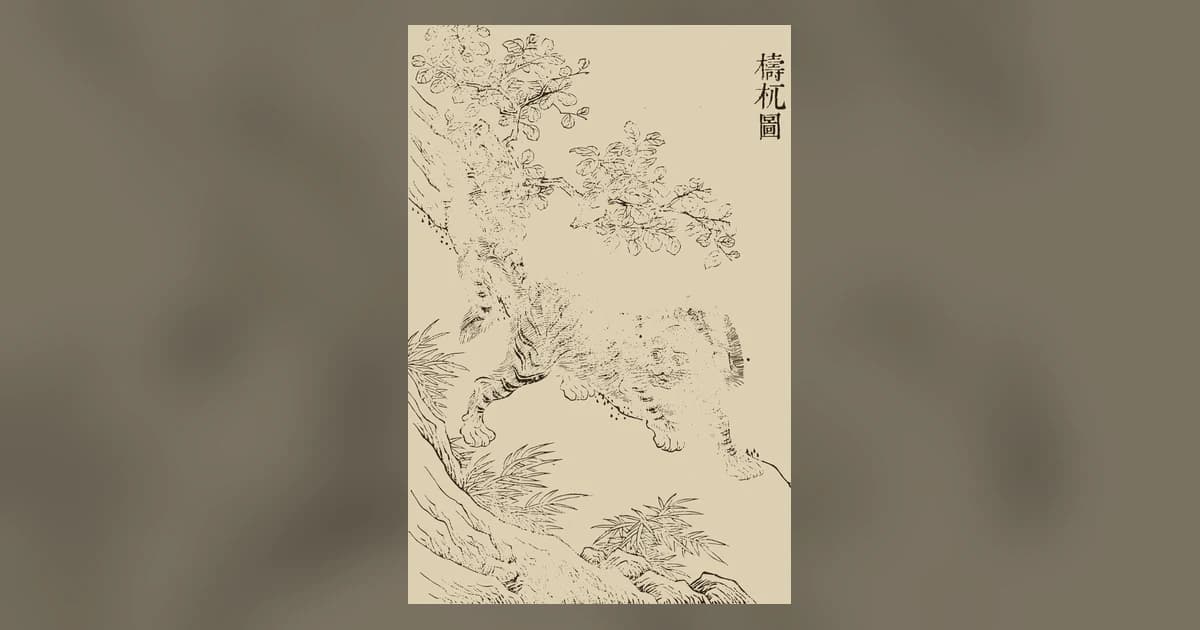
Taowu in Chinese Mythology: What Is Taowu, Exactly?
Novels · 7 min
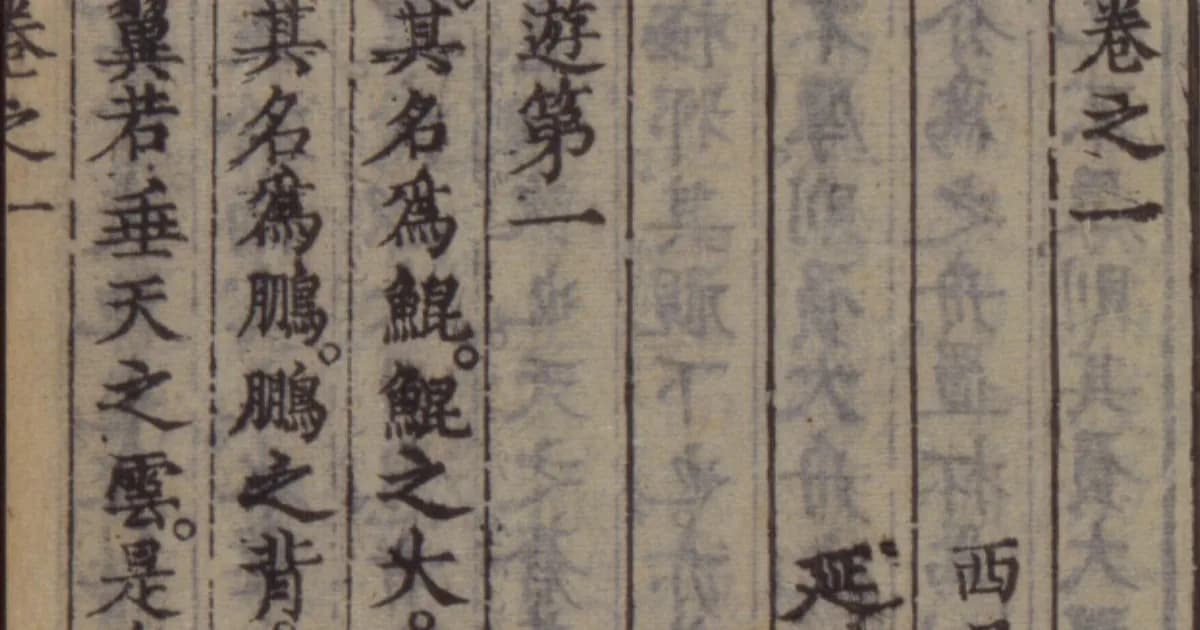
Kunpeng: The Myth Behind Xianxia's Giant Sky Beasts
Novels · 6 min

Qilin in Chinese Mythology: Why Xianxia Turned It Into a Pet
Novels · 7 min
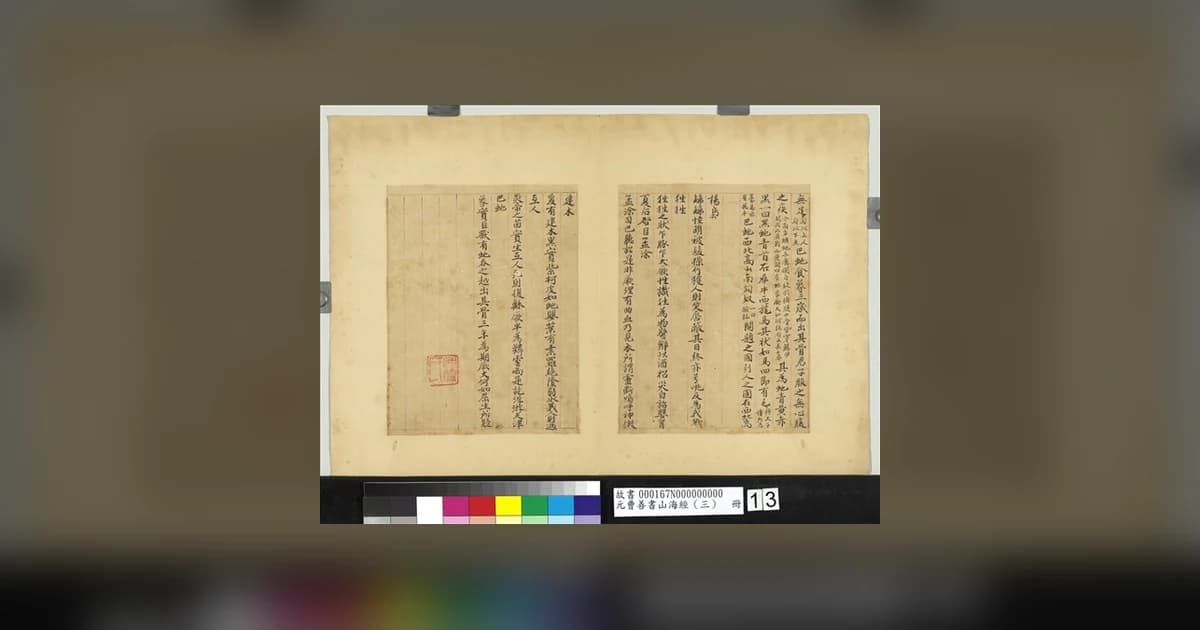
Shan Hai Jing: Classic of Mountains and Seas Explained
Novels · 7 min
Zhuque in Chinese Mythology: The Vermilion Bird of the South
Novels · 10 min
Qinglong in Chinese Mythology: The Azure Dragon of the East
Novels · 9 min
Baihu in Chinese Mythology: The White Tiger of the West
Novels · 7 min
Xuanwu in Chinese Mythology: Star Chart to Living God
Novels · 9 min
Disclaimer
This article is published for informational and entertainment purposes. It does not constitute professional financial, legal, or technical advice. Series availability, platform access, translation status, and chapter counts change. Verify critical details (pricing, regional availability, official translation status) with publishers and platforms. Affiliate links, where present, help support our editorial work and are labelled in our affiliate disclosure.
Comments
Loading comments…