Loading…
NovelBrief · Novels
What Is Xianxia? A Beginner's Guide to Cultivation Novels
What is xianxia? A plain-language guide to Chinese cultivation novels: qi, sects, tribulations, and where new readers should start in English.
6 min readBy Ethan Mercer
TL;DR: What is xianxia? It's Chinese fantasy fiction about mortals who cultivate qi (spiritual energy) to climb ranked power realms toward immortality, all wrapped in sects, tribulations, and centuries-long timelines. It's related to wuxia but not the same thing, and it's the backbone genre of Qidian and Webnovel.com.
Key Takeaways
- Xianxia (仙侠) is Chinese fantasy fiction about mortals cultivating toward immortality by refining qi, the spiritual energy at the center of nearly every power system in the genre.
- The genre borrows real vocabulary from Daoist philosophy (qi, dao, tribulation), then builds an entire fictional cosmology on top of it.
- Xianxia is distinct from wuxia (no magic, grounded martial arts) and isekai (Japanese portal-fantasy), even though all three get lumped together by casual readers.
- Webnovel.com is the largest official English source, pulling from Qidian's original Chinese catalog.
What Is Xianxia, Exactly?
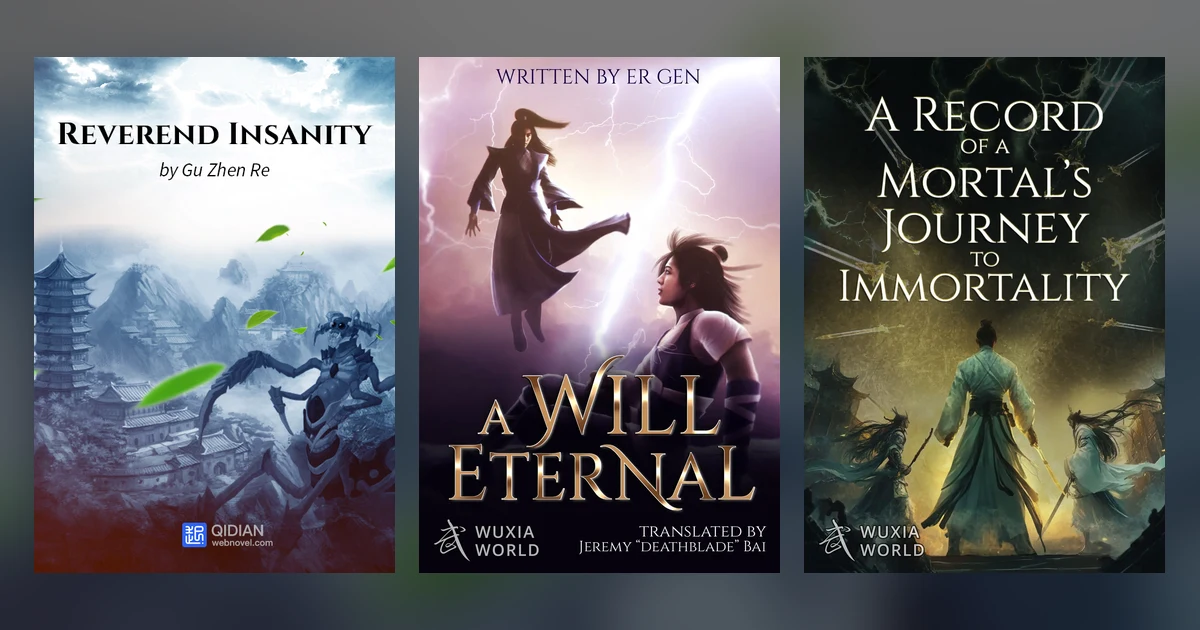
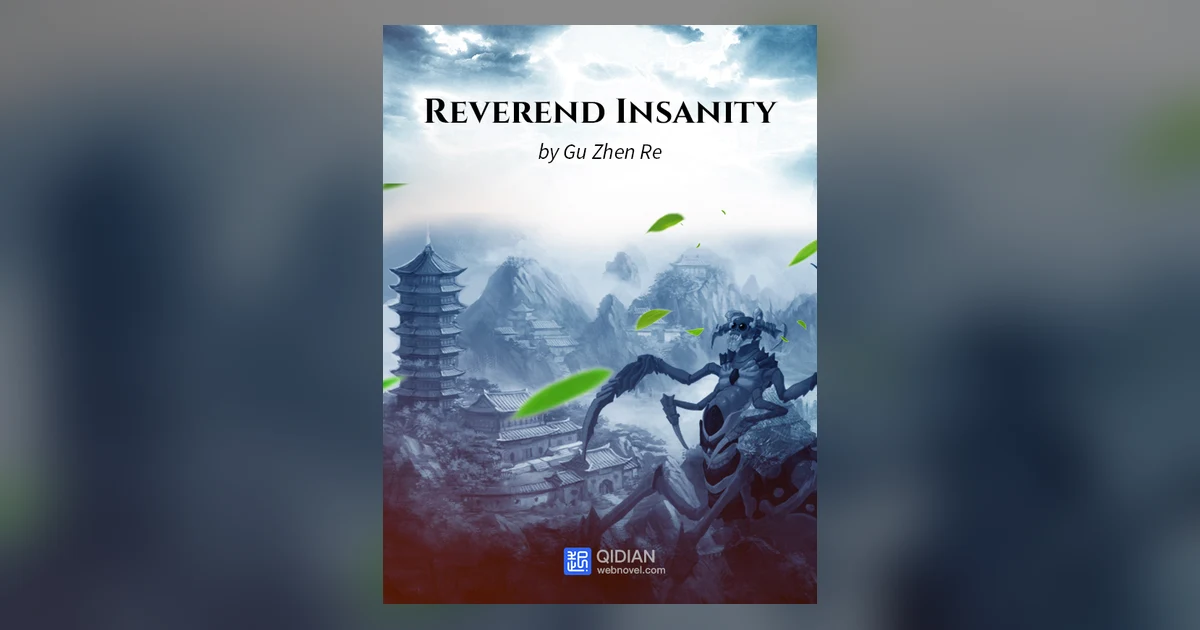
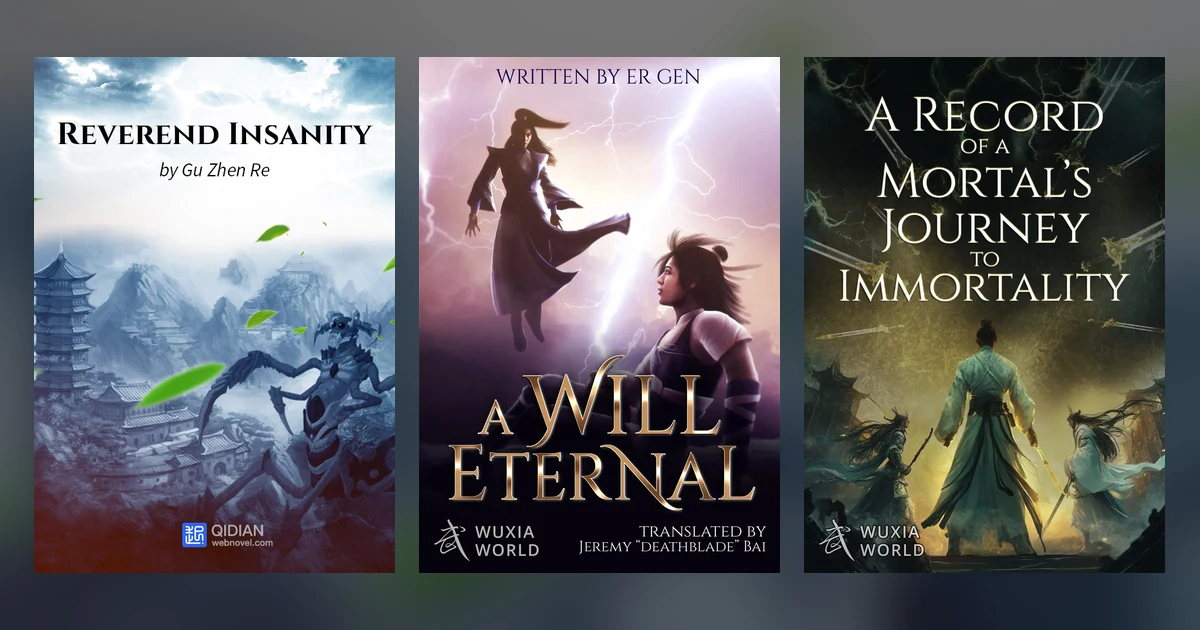 Three real, officially published xianxia covers: Reverend Insanity (Qidian/Webnovel), A Will Eternal, and A Record of a Mortal's Journey to Immortality (both Wuxiaworld).
The xianxia genre (仙侠, pronounced roughly "shyen-shyah") is one of the biggest categories on Qidian, the Chinese platform that dominates web novel publishing, and by extension one of the biggest genres on Webnovel.com, its English-language arm. What is xianxia in practice? If you've seen a novel where a protagonist meditates to "break through" a cultivation bottleneck, survives a lightning "tribulation," or joins a sect perched on a floating mountain, you were reading a cultivation novel of exactly this kind.
The name comes from two characters: 仙 (xiān), meaning "immortal" or "transcendent," and 侠 (xiá), meaning "martial hero" or "wandering knight," the same 侠 that gives wuxia (武侠) its name. Xianxia is, in a sense, wuxia's supernatural sibling. It keeps the sects, the master-disciple bonds, and the sword techniques, then adds a real magic system built around cultivating toward godhood.
What Is Xianxia Built Around? Qi, Realms, and Tribulations
At the center of almost every xianxia novel is qi (气): a life-and-spirit energy that exists in the human body and in the wider world. A cultivator's entire arc is about gathering, refining, and eventually mastering qi well enough to transcend an ordinary human lifespan.
That process is usually mapped onto a realm system: a fixed sequence of named power tiers a character climbs one at a time. Realm names vary by novel, but the shape is consistent. Early realms are about stabilizing the body and gathering qi, middle realms are about compressing that qi into a more powerful form, and late realms edge toward genuine immortality. Crossing from one realm to the next is rarely just a level-up. It's usually a tribulation: a real, survivable-but-not-guaranteed trial, often literal lightning from the heavens, that punishes cultivators for reaching too far, too fast.
Around that core power system, xianxia builds out familiar furniture: sects (organizations of cultivators, often built around a mountain, a founding ancestor, and a hierarchy of disciples), spirit stones (a qi-infused currency and fuel source), dao companions (a cultivation-world term for a life partner who cultivates alongside you), and pills and talismans (alchemy and crafting systems that let a cultivator shortcut part of the grind).
Want to see these tropes in motion instead of in the abstract? Reverend Insanity flips the usual cultivation-hero formula on its head, with a protagonist who cultivates the way a real strategist would: ruthlessly.
Reverend Insanity Review →
Xianxia vs. Its Genre Neighbors
Readers new to the space often use "xianxia," "wuxia," and "isekai" interchangeably. They're not the same, and mixing them up is the fastest way to sound like you haven't actually read any of them.
- Wuxia (武侠) keeps cultivation-adjacent worldbuilding grounded: skilled swordsmen, poison, secret manuals, clan rivalries, without an explicit magic-and-immortality system. A wuxia protagonist can be the best swordsman alive and still just be a very skilled human.
- Xuanhuan (玄幻) is a looser cousin. It borrows cultivation-style power progression but isn't bound to Chinese mythology specifically, often mixing in original pantheons, systems, or sci-fi elements.
- Isekai is a Japanese light-novel convention where a modern-world character is transported or reincarnated into a fantasy world. Some system-transmigration web novels borrow the isekai premise (a character arriving from our world) while running on a xianxia-style cultivation power system underneath, which is exactly why the genres get confused.
Curious exactly where the wuxia line gets drawn? That comparison deserves its own space rather than a rushed paragraph here.
The two genres share a name character and a lot of DNA, but the presence (or absence) of an explicit magic system is the real dividing line.
Wuxia vs Xianxia: What's Actually the Difference? →
Why This Matters for English Readers (Analysis)
Xianxia's English footprint has grown mostly through Webnovel.com, which translates and hosts Qidian's catalog directly, and through a smaller number of print licenses from publishers like Seven Seas Entertainment for titles that build enough of an English fan base to justify a physical release. Most xianxia novels run long. Hundreds to well over a thousand chapters is normal, not an outlier, so picking a starting point matters more here than in most fiction genres.
That's the gap this site exists to help with: rankings, licensing news, and reading guides for a genre that's easy to get curious about and genuinely hard to know where to start in.
Frequently Asked Questions
Q: What does xianxia mean? A: Xianxia (仙侠) literally combines "immortal" (仙) and "martial hero" (侠). It refers to Chinese fantasy fiction about cultivators who pursue immortality by refining spiritual energy, usually set in a version of ancient China with sects, magical artifacts, and monster-filled wilderness.
Q: What's the difference between xianxia and wuxia? A: Wuxia (武侠) is grounded martial-arts fiction: skilled swordsmen and clan rivalries, no magic or immortality-seeking. Xianxia adds a supernatural cultivation layer on top: qi cultivation, magical treasures, and characters who can eventually ascend beyond mortal limits.
Q: What is qi in a xianxia novel? A: Qi (气) is the spiritual and life energy a cultivator refines through meditation, pills, or combat. Nearly every xianxia power system is built around accumulating and refining qi to advance through cultivation realms.
Q: What are cultivation realms? A: Realms are the ranked stages of cultivation power a character passes through, usually named in sequence (e.g., Qi Condensation, Foundation Establishment, Core Formation, Nascent Soul). Each realm is a wall a cultivator must break through, often at real risk of death: a "tribulation."
Q: Where can I read xianxia novels in English? A: Webnovel.com hosts the largest official English catalog, sourced from Qidian's Chinese-language platform. Some titles also get English print licenses through publishers like Seven Seas Entertainment.
Q: Is xianxia the same as isekai? A: No. Isekai is a Japanese term for a character transported to another world, common in Japanese light novels. Xianxia protagonists are usually native to the cultivation world from birth or reincarnation, and the genre's DNA comes from Chinese Daoist and wuxia traditions, not Japanese portal-fantasy tropes.
Related Reading
- Best Xianxia Novels for Beginners (2026)
- Warlock of the Magus World Review
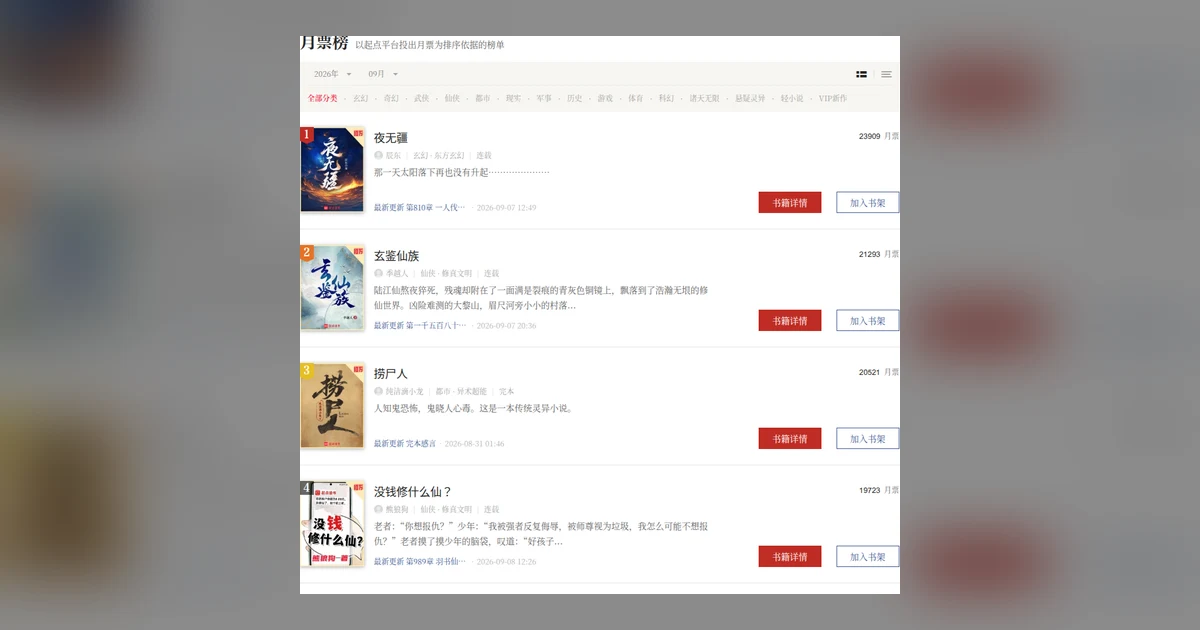
- Qidian Monthly Vote Ranking Explained
References
[1] Qidian: official Chinese web novel platform [2] Webnovel.com: Qidian's official English platform [3] Seven Seas Entertainment: Danmei & Chinese fiction category
About the author

Senior Editor, Licensing & Rankings
Senior editor tracking Qidian rankings and English licensing news for 8 years. Vancouver-based. Reads the Monthly Vote board the way others read box office numbers.
- 8 years tracking Qidian's Monthly Vote and Bestseller boards
- Covers Webnovel.com and Seven Seas Entertainment licensing as it happens
- Reads Chinese-language ranking pages directly
- Cross-checks every license date against official publisher pages
Disclaimer
This article is published for informational and entertainment purposes. It does not constitute professional financial, legal, or technical advice. Series availability, platform access, translation status, and chapter counts change. Verify critical details (pricing, regional availability, official translation status) with publishers and platforms. Affiliate links, where present, help support our editorial work and are labelled in our affiliate disclosure.
Comments
Loading comments…