Loading…
NovelBrief · Novels
Wuxia vs Xianxia Novels: What's the Real Difference?
Wuxia vs xianxia: wuxia keeps its heroes human, xianxia adds immortality and magic. Here is what actually separates the two, with real history behind both.
7 min readBy Mei-Lin Zhao
TL;DR: Wuxia vs xianxia comes down to one question: is magic real in the story? Wuxia keeps its world grounded (elite swordsmen, poison, clan rivalries, no path to immortality), while xianxia adds an explicit magic system where cultivators pursue godhood. Wuxia is also the older tradition, built by authors like Jin Yong and Gu Long; xianxia became the dominant web-fiction subgenre decades later.
Key Takeaways
- The core difference is whether magic is real: wuxia heroes are elite humans, xianxia cultivators pursue actual immortality through a defined power system.
- Wuxia is the older tradition, with roots in 1930s serialized fiction and a 1950s commercial boom in Hong Kong and Taiwan.
- Jin Yong, Gu Long, and Liang Yusheng are wuxia's most influential authors, often called the genre's "Big Three."
- Xianxia became the dominant subgenre later, especially through web fiction platforms like Qidian.
Wuxia vs Xianxia: The Core Difference
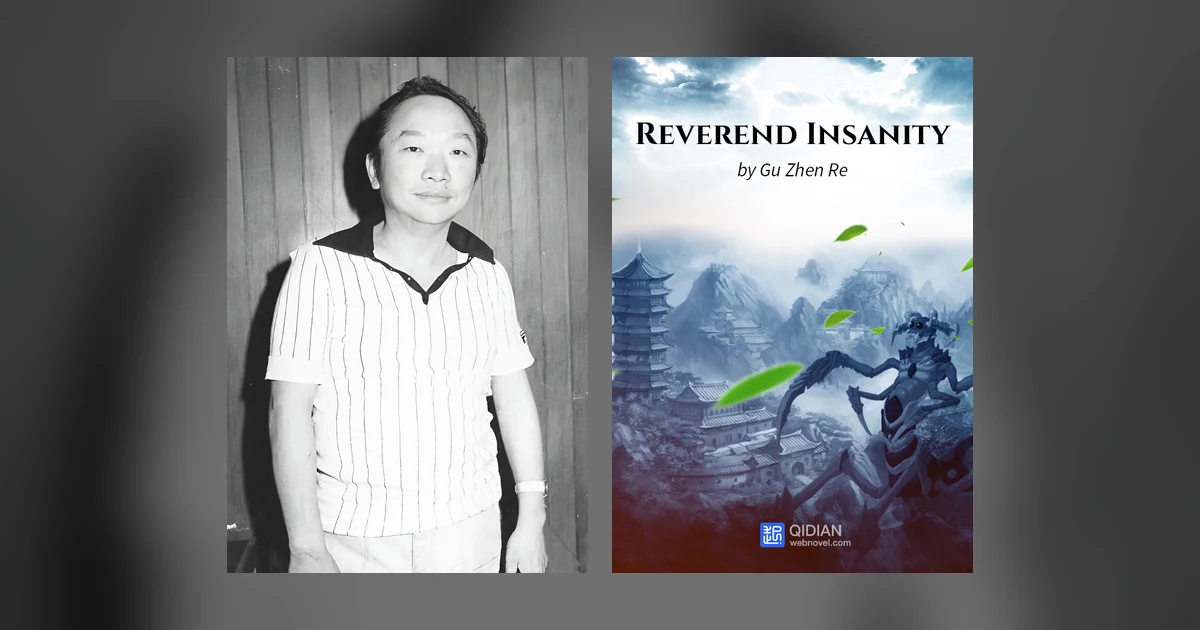
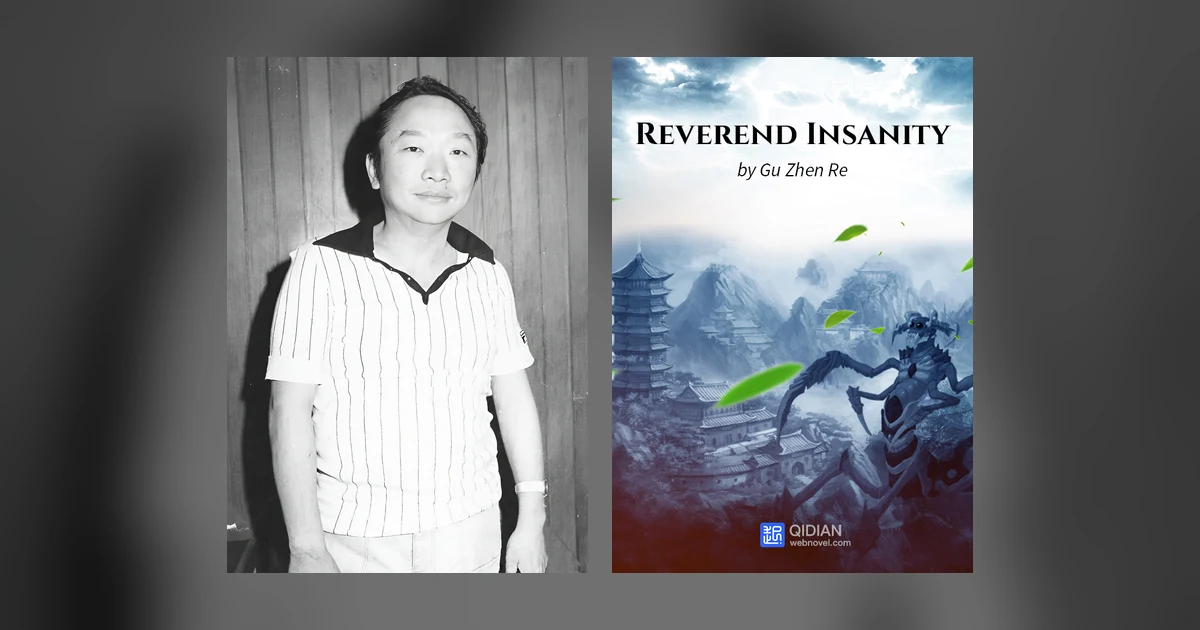 Left: wuxia author Gu Long (public domain portrait). Right: Reverend Insanity, a xianxia novel, official Webnovel.com cover.
Both terms describe Chinese martial arts fiction, and both genre names share the character 侠 (xiá), meaning "martial hero" or "wandering knight," which is exactly why casual readers mix them up. Wuxia (武侠) pairs it with 武 (wǔ), "martial," and stays grounded: elite swordsmen, poison plots, secret manuals, and clan rivalries, with no actual magic system underneath. Xianxia (仙侠) pairs the same 侠 with 仙 (xiān), "immortal," and adds a real supernatural layer: cultivators refine qi, climb ranked power realms, and can genuinely become immortal.
That's the whole dividing line. Everything else, sects, master-disciple bonds, sword techniques, follows from whether the story treats "becoming godlike" as a literal, systemized goal (xianxia) or keeps its strongest characters within human limits, however exaggerated (wuxia).
A Different History, Not Just a Different Power Level
Wuxia is the older of the two traditions by a wide margin. It flourished in 1930s China, centered on Tianjin's "Northern School" of writers, then went through a major commercial boom in 1950s Hong Kong and Taiwan. That era produced wuxia's most influential authors, often called the genre's "Big Three": Liang Yusheng, widely credited as the founder of modern wuxia's literary style, Jin Yong (Louis Cha), who built on that foundation to become the genre's most commercially dominant writer, and Gu Long, known for a sparser, more modern prose style shaped by Japanese and Western influences.
Xianxia's dominance is much more recent, tied closely to the rise of Chinese web fiction platforms like Qidian in the 2000s and 2010s. Where wuxia grew through serialized print fiction and film/TV adaptations of authors like Jin Yong, xianxia grew through daily-updated online serialization, which is part of why xianxia novels tend to run so much longer: a web serial writing for an active daily readership has different pacing incentives than a print novel does.
Want the fuller breakdown of xianxia's core mechanics, realm systems, tribulations, and sects, before comparing it against wuxia?
What Is Xianxia? A Beginner's Guide to Cultivation Novels →
Wuxia vs Xianxia: Where the Line Gets Blurry
Wuxia isn't entirely free of exaggeration. Characters can run along rooftops (qinggong) or strike opponents from a distance using internal energy (neijin), abilities that go well past what a real martial artist could do. The distinction that still holds is that these are extensions of extreme human skill, not a path toward literal immortality or godhood. A wuxia master can be unbeatable and still just be a very, very good fighter.
Some modern novels deliberately blend both traditions: grounded clan politics and personal rivalries in the wuxia style, layered on top of a real xianxia-style cultivation system. When that happens, most readers and platforms classify the result as xianxia rather than wuxia, since an explicit magic system tends to be the feature that decides the label, even when the story's tone and social structure lean wuxia.
Curious what a fully realized xianxia power system looks like once realms, tribulations, and Gu-style mechanics get involved?
Reverend Insanity Review →
Frequently Asked Questions
Q: What is the simplest way to tell wuxia and xianxia apart? A: Ask whether magic is real in the story. If the strongest fighters are still just very skilled humans, it's wuxia. If characters can cultivate toward immortality and wield supernatural power, it's xianxia.
Q: Who are the most important wuxia authors? A: Jin Yong (Louis Cha), Gu Long, and Liang Yusheng are usually called wuxia's "Big Three." Liang Yusheng is often credited as the founder of modern wuxia, and Jin Yong built on that literary style to become the genre's most commercially dominant author.
Q: Does wuxia ever have any supernatural elements? A: Occasionally, in the form of exaggerated martial arts feats like running along rooftops or striking from a distance using internal energy (qinggong, neijin). The line is that these are extensions of human skill, not a path to immortality or godhood.
Q: Is xianxia older or newer than wuxia? A: Wuxia is the older tradition, with roots in 1930s serialized fiction and a commercial boom in 1950s Hong Kong and Taiwan. Xianxia as a distinct, immortality-focused subgenre became dominant later, especially through web fiction platforms like Qidian in the 2000s and 2010s.
Q: Can a novel be both wuxia and xianxia? A: Some novels blend the two, keeping wuxia's grounded clan politics and sword techniques while adding a real cultivation-to-immortality system. When that happens, most readers classify it as xianxia, since the presence of an explicit magic system is the dividing line that matters most.
Related Reading
- What Is Xianxia? A Beginner's Guide to Cultivation Novels
- Best Xianxia Novels for Beginners (2026)
- Reverend Insanity Review
References
[1] Wikipedia: Gu Long [2] Qidian: official Chinese web novel platform
About the author

Danmei & Genre Critic
Danmei and xianxia critic with a background in comparative literature, writing about Chinese web fiction in English since 2019. Toronto-based.
- Writing about danmei and xianxia in English since 2019
- Graduate background in comparative literature
- Tracks the fan-translation-to-official-license pipeline
- Follows Seven Seas' convention announcements directly
Disclaimer
This article is published for informational and entertainment purposes. It does not constitute professional financial, legal, or technical advice. Series availability, platform access, translation status, and chapter counts change. Verify critical details (pricing, regional availability, official translation status) with publishers and platforms. Affiliate links, where present, help support our editorial work and are labelled in our affiliate disclosure.
Comments
Loading comments…