Loading…

NovelBrief · Novels
Baihu in Chinese Mythology: The White Tiger of the West
Baihu in Chinese mythology is the White Tiger of the West. Trace its stars, autumn-metal symbolism, Daoist guardianship, and xianxia afterlife.
10 min readBy Mei-Lin Zhao
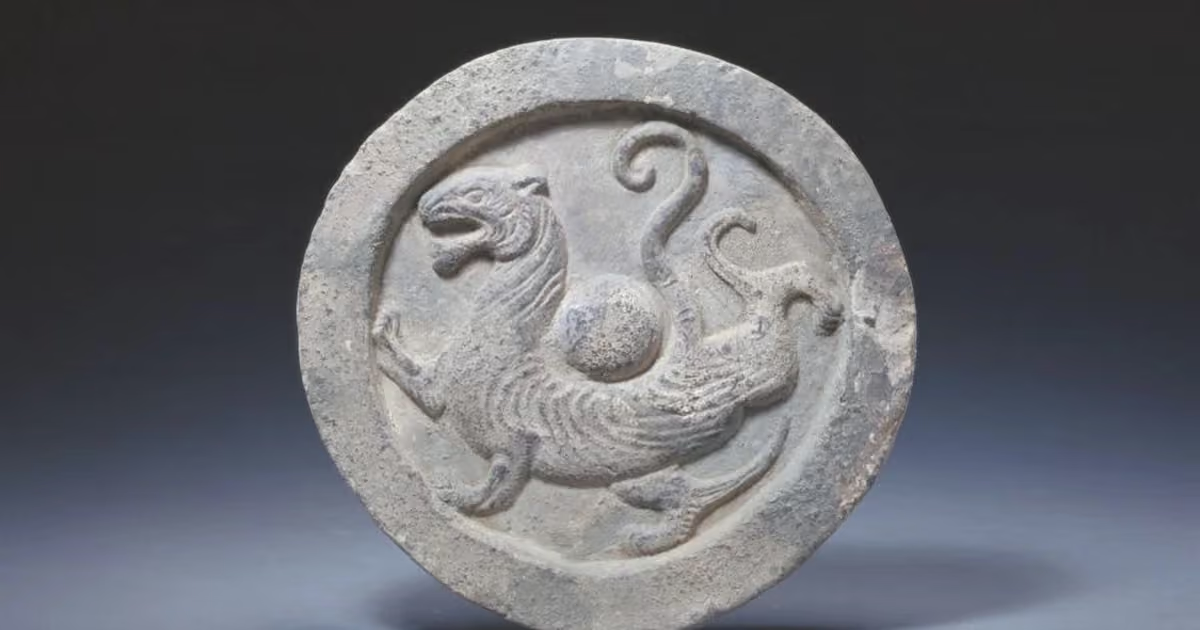
Baihu in Chinese mythology is not simply a white animal with a dramatic name. It is the White Tiger of the West, one quarter of the Four Symbols, and a figure whose meaning shifts with the system around it: stars and lunar mansions, seasonal and elemental correspondences, tomb protection, Daoist ritual, and later folk fears. That layered history is why a xianxia novel can use Baihu as a bloodline, a guardian, or a warlike omen without inventing the symbol from nothing.
TL;DR: Baihu in Chinese mythology is the western guardian of the Four Symbols, linked with the western constellations, autumn, and the metal phase. Historical sources show both protective and threatening readings, so xianxia’s White Tiger is richer than a generic “power beast.”
Key Takeaways
- Baihu means White Tiger and represents the west in the Four Symbols, alongside Qinglong, Zhuque, and Xuanwu.
- Its identity is astral as well as animal: the western lunar mansions were imagined through a tiger figure.
- Autumn, metal, warfare, and punishment became recurring associations, especially in later cosmological and ritual systems.
- Museum objects show Baihu imagery on architectural and funerary surfaces, not only in fantasy bestiaries.
- Daoist and folk traditions could treat Baihu as a guardian, a war deity, or a dangerous omen depending on the ritual context.
- Xianxia adaptations are strongest when they preserve that directional and symbolic logic instead of using “white tiger” as a random synonym for strength.
Baihu in Chinese Mythology: The Four-Symbol Place
The safest starting point for Baihu in Chinese mythology is its place in the Four Symbols, often called the Four Images or Four Cardinal Deities. The standard arrangement places Qinglong, the Azure or Green Dragon, in the east; Zhuque, the Vermilion Bird, in the south; Baihu, the White Tiger, in the west; and Xuanwu, the Dark Warrior or Black Tortoise, in the north.
This is a map of relationships, not a cast list of four unrelated monsters. Each figure occupies a direction, a sector of the sky, and a set of seasonal and elemental correspondences. Baihu’s western position connects it to autumn and the metal phase in the Five Phases system. The point is not that a tiger is physically made of metal. The correspondence gives the symbol a language of firmness, cutting force, decline, and the close of a seasonal cycle.
The Four Symbols also help explain why the White Tiger can feel martial without being only a god of battle. The west is associated with the western celestial stations and with forms of judgment and weaponry in later texts. When a ritual image places Baihu at a gate or beside a tomb, the tiger is guarding a boundary between spaces. Direction gives the creature a job.
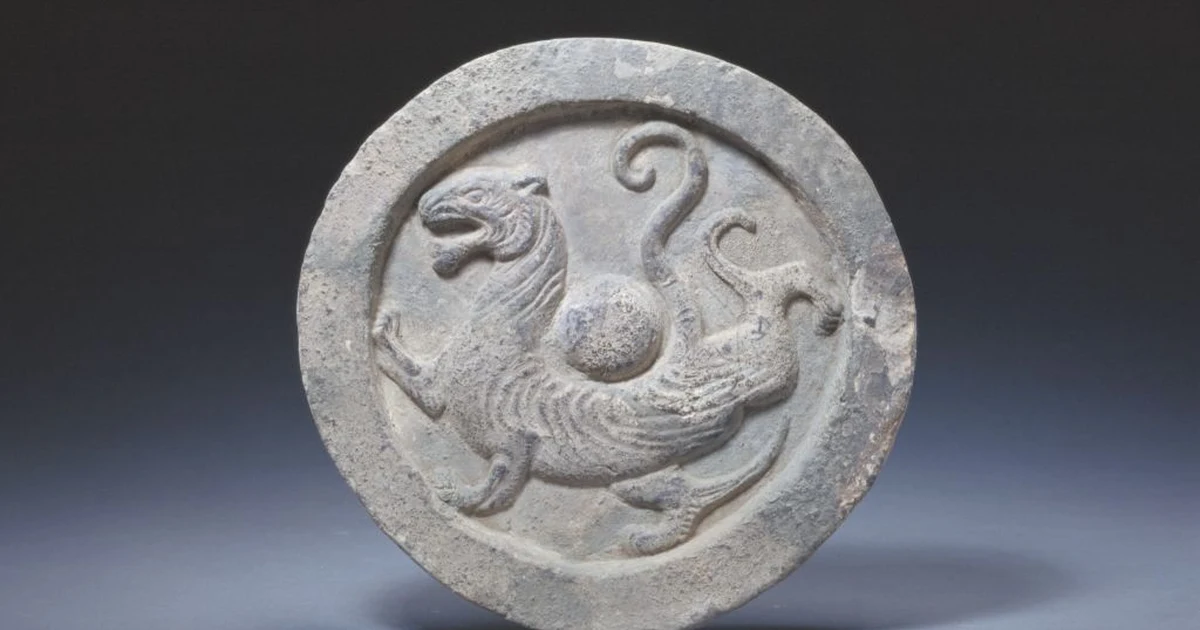 The real Palace Museum photograph shows a White Tiger tile end used as architectural ornament, not a generated fantasy illustration.
Read Xuanwu in Chinese mythology next. Xuanwu occupies the north and combines turtle and snake, making the contrast with Baihu’s single, martial body especially clear.
Baihu’s Stars: A Tiger in the Western Sky
One reason Baihu in Chinese mythology survives beyond a simple animal emblem is its astronomical role. Open-access research on White Tiger belief describes Baihu as the western quarter’s group of lunar mansions, a celestial pattern read as the shape of a tiger. The figure belongs to an observational system: people looked at recurring stars, divided the sky into regions, and connected those regions to direction, season, and ritual meaning.
That does not mean every ancient observer saw a single universally agreed outline. Constellation figures are interpretive maps. What matters is that the western sky had a recognized tiger identity in Chinese astral tradition. The tiger’s whiteness is not a zoological report. It belongs to the west’s color and phase associations, which is why translating Baihu as “a pale tiger” loses the cosmological force of the name.
The astral reading also gives the symbol a temporal edge. Autumn is a season of harvest and decline, while metal can suggest tools, blades, and the hard edge of judgment. Later texts connect the western stars with warfare and punishment. These associations do not erase Baihu’s protective role; they explain why protection can look severe. A guardian who prevents disorder may be imagined as a warrior rather than a gentle household spirit.
This is the kind of context that disappears when a novel uses “White Tiger” as a decorative title. Ask which direction, season, or celestial boundary the story is invoking. If the answer is none, the reference may be only a prestige label. If the answer is the west, autumn, or metal, the author is drawing on a deeper symbolic grammar.
From Guardian to War Deity and Omen
The history of Baihu in Chinese mythology is not a straight line from benevolent guardian to evil monster. The Journal of East Asian Religions study used for this article describes a long movement in folk belief: Baihu could be a protective deity, a fierce guardian, or a harmful spirit to be exorcised. Different communities and ritual settings gave the same name different emotional weight.
Daoist traditions incorporated the Four Symbols into a named protective system. The study cites a ritual formula that places White Tiger beside Azure Dragon, Vermilion Bird, and Xuanwu as directional protectors. In this setting, Baihu is a divine guard with an office and a place in ritual order. The tiger’s violence is controlled and useful: it scares away threats and holds a boundary.
Folk practices could turn that same violence outward. In some traditions, “sending away” or exorcising a White Tiger addressed illness, danger, or a harmful omen. This does not make the guardian version false. It shows a familiar religious pattern: a force powerful enough to protect is also powerful enough to injure. The ritual problem is not whether Baihu exists as one fixed personality; it is how a community manages the danger attached to the symbol.
The distinction matters for modern fiction. A White Tiger villain may be borrowing the omen side. A sect guardian may be borrowing the Daoist protector. A battlefield technique may be borrowing the western, metal, and martial correspondences. Calling every version “the same myth” is less accurate than saying that each one activates a different layer of the symbol.
What Museum Objects Add to the Story
Written descriptions can make Baihu in Chinese mythology feel abstract. Museum objects put the figure back into material life. The Palace Museum’s Han-dynasty tile end shows a White Tiger in relief on an architectural object. A tile end had a practical job at a roof edge, yet the image also marked a building with a directional and protective emblem. The tiger was not confined to a storybook bestiary.
The Palace Museum also records a Tang-dynasty brick relief of a White Tiger led by a human figure. Its collection description places the motif in funerary art and identifies the White Tiger with the west, metal, warfare, exorcism, disaster relief, and blessing. A tomb image therefore carries several functions at once: it can protect the dead, repel harmful forces, and signal a cosmic order that continues beyond ordinary life.
The Metropolitan Museum’s study of Northern Qi material culture likewise discusses the White Tiger of the west in tomb and decorative imagery. These objects help correct a common fantasy shortcut. “White Tiger” does not mean a single canonical pose, color palette, or horned creature design. Artists adapted the emblem to tile, brick, mirror, tomb passage, and ritual image while preserving its directional identity.
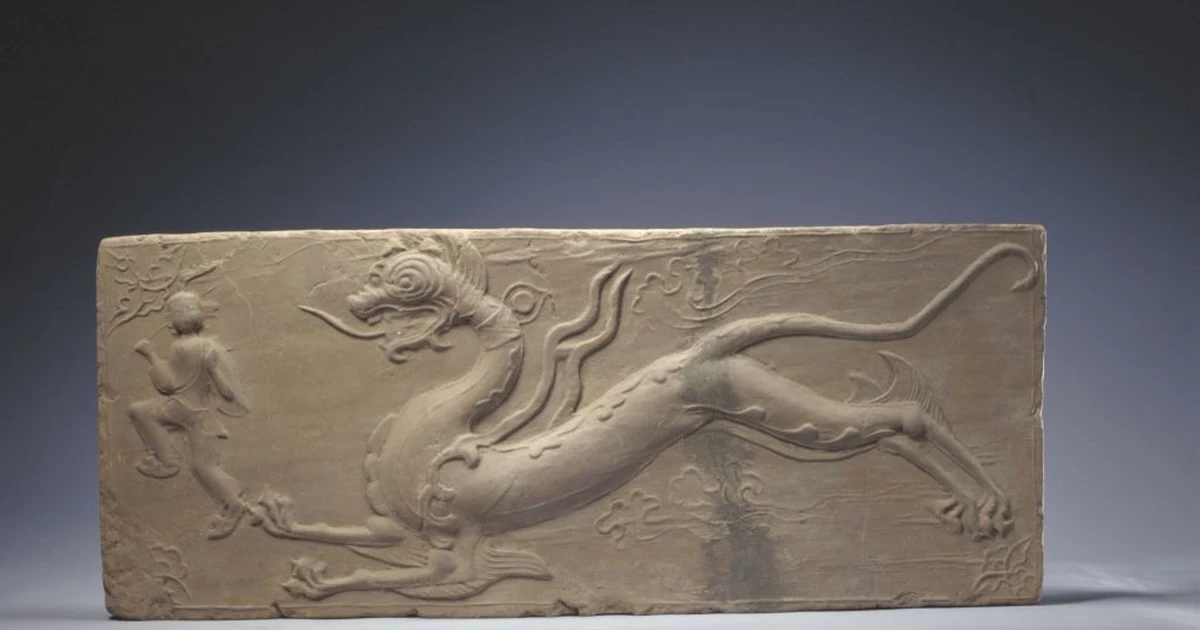 A second real Palace Museum image shows how the White Tiger also appears in funerary relief, where protection and passage overlap.
Baihu in Chinese Mythology and Xianxia Fiction
Modern web fiction uses Baihu in Chinese mythology as a compact signal. A bloodline can promise western martial force. A beast can embody metal qi, autumn killing intent, or a guardian post. A formation can place a White Tiger in the west and use the Four Symbols as a directional architecture. A character may inherit the name without inheriting every ancient association.
Readers can test the reference with four questions. Is Baihu a creature, a constellation, a weapon, a guardian, or a title? Does the story mention west, autumn, metal, stars, tombs, or exorcism? Is the tiger protecting a boundary or breaking one? And does the image change a choice, or does it only make an attack sound larger?
Those questions keep xianxia connected to mythology without demanding that every novel become a religious treatise. What is xianxia? explains the cultivation framework in which spirit beasts and bloodlines often appear. What is xuanhuan? is useful when a story borrows Chinese mythic images inside a broader fantasy world. In both genres, the strongest use of Baihu gives the symbol a function beyond visual power.
Compare this article with Kunpeng in Chinese mythology. Kunpeng is a transformation between fish and bird; Baihu is a directional guardian whose meaning depends on the sky-sector and ritual role it occupies.
What Baihu Is Not
Baihu in Chinese mythology is not the Chinese zodiac tiger. The zodiac assigns animals to years in a twelve-part cycle; Baihu belongs to a four-direction and astral system. The two can overlap in popular culture because both use tiger imagery, but they answer different cosmological questions.
It is not automatically a feng shui mascot with one guaranteed promise of wealth. Modern commercial objects may market White Tiger statues for protection, luck, or placement in the west. Those products are contemporary uses of a traditional symbol, not a single timeless meaning that overrides archaeological, Daoist, or folk contexts.
It is also not interchangeable with every East Asian white-tiger figure. Japan’s Byakko and Korea’s Baekho share historical connections with the Four Symbols, but an article about Chinese mythology should keep the Chinese term and source tradition clear. Translation can show relationships; it should not erase them.
Frequently Asked Questions
What is Baihu in Chinese mythology?
Baihu, the White Tiger, is the western guardian in the Four Symbols, linked to the western sky sector and later seasonal, elemental, and ritual associations.
What does the White Tiger represent?
It represents the west and is commonly connected with autumn, metal, martial force, warfare, and protection. Folk and Daoist traditions can emphasize different parts of that range.
Is Baihu a good or evil spirit?
Neither label covers every context. Baihu can protect a boundary, serve as a warlike guardian, or appear as a harmful omen that ritual specialists try to send away.
Why is Baihu important in xianxia?
The symbol gives writers a ready-made connection between beasts, stars, direction, metal, autumn, and martial power. A story can use one layer or several.
Where can I see an actual White Tiger artifact?
The Palace Museum’s collection includes a Han-dynasty White Tiger tile end and a Tang-dynasty White Tiger brick relief, both linked in this article’s references.
Related Reading
References
- Palace Museum: Han White Tiger tile end
- Palace Museum: Tang White Tiger brick relief
- Journal of East Asian Religions: A Study on the Folk Belief of Exorcising White Tigers in China
- Marianna Lázár, "Animating the Cosmos: The Azure Dragon, White Tiger, Vermilion Bird, and Dark Warrior in Han Tomb Art and Thought," Journal of East Asian Cultures
- Metropolitan Museum publication on Northern Qi directional symbolism
About the author

Danmei & Genre Critic
Danmei and xianxia critic with a background in comparative literature, writing about Chinese web fiction in English since 2019. Toronto-based.
- Writing about danmei and xianxia in English since 2019
- Graduate background in comparative literature
- Tracks the fan-translation-to-official-license pipeline
- Follows Seven Seas' convention announcements directly
Keep reading
Xuanwu in Chinese Mythology: Star Chart to Living God
Novels · 5 min
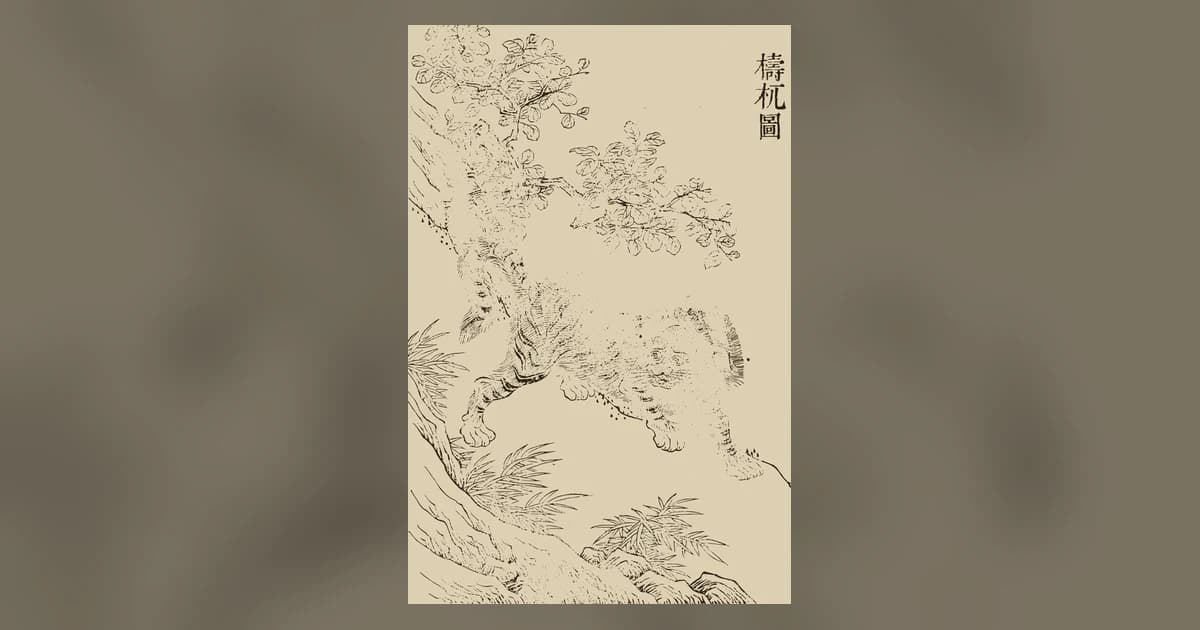
Taowu in Chinese Mythology: Monster and Book Title Both
Novels · 5 min
Kunpeng: The Myth Behind Xianxia's Giant Sky Beasts
Novels · 6 min
Coiling Dragon Review: Linley’s Classic Still Holds Up
Novels · 11 min
A Will Eternal Reading Guide: Start Bai Xiaochun's Journey
Guides · 11 min
Reverend Insanity Reading Guide: Start Here, Finish Strong
Guides · 11 min
Reverend Insanity Character Guide: Who's Who, Spoiler-Safe
Guides · 10 min

Novels Like Reverend Insanity, Picked by Protagonist Type
Novels · 5 min
Disclaimer
This article is published for informational and entertainment purposes. It does not constitute professional financial, legal, or technical advice. Series availability, platform access, translation status, and chapter counts change. Verify critical details (pricing, regional availability, official translation status) with publishers and platforms. Affiliate links, where present, help support our editorial work and are labelled in our affiliate disclosure.
Comments
Loading comments…