
Taowu in Chinese Mythology: A Four Perils Beast, Once a Man
Taowu is one of the Four Perils, but the oldest texts call it a banished man, not a beast, and Mencius uses the same name for the state of Chu's history book.
Verdict: If a novel names a villain or a sect Taowu, read it as 'cannot be taught, will not change'. The tiger-bodied monster came later; the stubborn exile and the chronicle title came first.
Look up Taowu in Chinese mythology and the quick answer is "one of the Four Perils, a tiger-bodied monster." That's true, but it's half the story. The oldest texts treat Taowu as a banished man, not a beast. Mencius used the exact same name as the title of a real historical chronicle, and a Northern Song historian reused that title more than a thousand years later for his own book. One name covers a stubborn exile, a monster and a kind of serious history-writing.
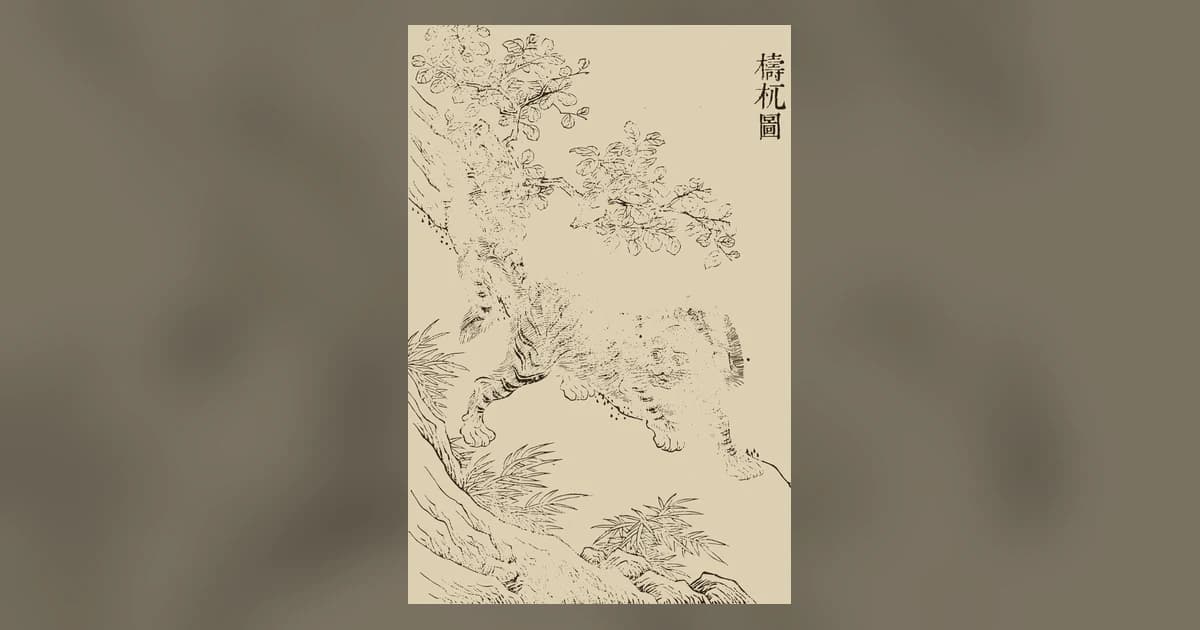
Taowu in Chinese Mythology: Where the Monster Comes From
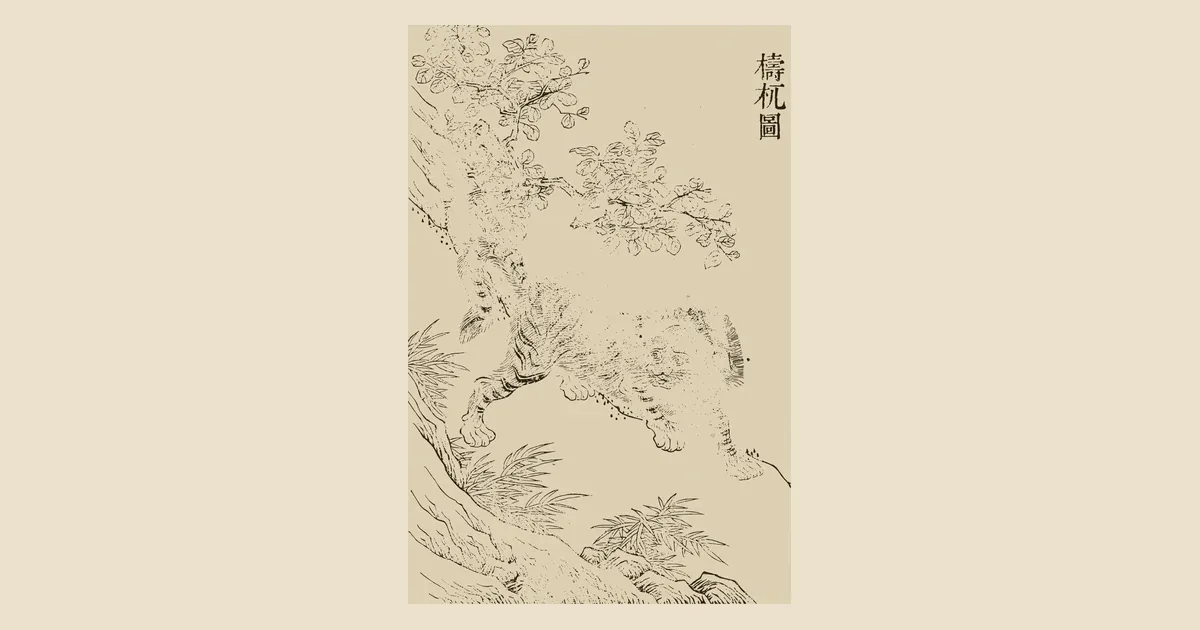 Image: Wikimedia Commons, public domain. Taowu Tu (檮杌圖), an illustration from the Qing-dynasty imperial encyclopedia Gujin Tushu Jicheng, compiled by Chen Menglei between 1700 and 1725.
Taowu's name itself is mundane before it's monstrous: the characters combine 檮 (a block of wood or tree stump) and 杌 (a stool), an etymology that has nothing to do with fangs or tails. The vivid physical description most retellings use (a human face, a tiger's feet, a pig's mouth and teeth, and a tail 18 feet long, with the alternate names Aohen and Nanxun) comes from the Shenyi Jing (神異經, Book of Gods and Strange Things), a text compiled well after the earlier classical sources. The older Shanhaijing, for all its monsters, leaves Taowu out.
Those earlier sources tell a different kind of story. The Zuo Zhuan does not present Taowu as a beast at all; it treats Taowu as a person, a descendant of the sage-king Zhuanxu. Sima Qian's Records of the Grand Historian keeps that framing and describes him as lacking ability, stubborn and deaf to instruction: Emperor Shun banished Taowu, along with Hundun, Qiongqi, and Taotie, to the outer reaches of the kingdom as the Four Perils, a punishment for unruly clans rather than a monster hunt. The Guoyu and Shuo Yuan separately place Taowu at Mount Pi during the Shang dynasty.
Taowu isn't the only ancient Chinese creature that later fiction reshaped into something more fixed than the original texts describe.
Kunpeng: The Myth Behind Xianxia's Giant Sky Beasts →
The Other Taowu: A Chronicle, Not a Creature
This half of the story has nothing to do with monsters. In the Mencius (離婁下), the philosopher states plainly, in James Legge's translation: "The Sheng of Jin, the Tao Wu of Chu, and the Chun Qiu of Lu were books of the same character." That line sits inside a broader point Mencius is making about how history-writing itself began once royal authority declined and the old court odes stopped being composed. Three different states, three different titles for the same kind of record, and Chu's title for its own state chronicle was Taowu, the identical name attached to the stubborn exile.
Nobody has settled why the name was shared, but it is a documented naming choice, not a modern reinterpretation. It mattered enough that a Northern Song historian, Zhang Tangying, borrowed it for Shu Taowu (蜀檮杌), his chronicle of the two tenth-century Shu states, which covers both Wang Jian and Meng Zhixiang in detail. Nothing we read explains how Chu justified naming its official history after a byword for stubborn, unteachable ruin. But it stands as a real example of an early "monster" name doing double duty as a title for serious, unglamorous record-keeping, closer to how a modern book title might borrow a loaded word on purpose than to anything supernatural.
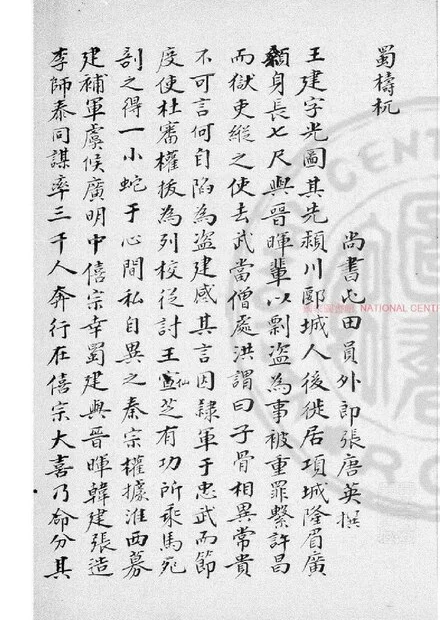 Image: Wikimedia Commons, public domain. Opening page of a Qing-dynasty hand copy of Shu Taowu, scanned by the National Central Library, Taiwan.
Curious how these older myth cycles compare to the invented cosmologies inside cultivation fiction?
What Is Xuanhuan? A Beginner's Guide →
Taowu's Afterlife in Xianxia and Wuxia Fiction
Modern cultivation and demon-beast fiction draws on the Four Perils as a ready-made set of names for sects, forbidden techniques, or antagonist titles, the same way Kunpeng gets borrowed for scale and Taotie gets borrowed for gluttony and greed. Taowu's specific niche in that borrowing tends to be stubbornness and irredeemability: a character or bloodline named after Taowu is usually a signal that the story means "cannot be taught, cannot be reformed," pulling directly from the Zuo Zhuan's original framing rather than the later monster description.
Readers who only know the name from a novel's glossary entry are, in that sense, getting the Shenyi Jing's tail-and-tusks version secondhand, several layers removed from the Zuo Zhuan's "rebellious clan member" framing and further still from Mencius's usage as a book title. None of those layers cancel each other out. They're what happens to a striking name across two thousand years of reuse.
The question reaches novel communities too. In August 2026 a post in r/wuxiaworld introduced Taowu in the "Chinese Mythology Archive" video series and summed up the name as coming "to symbolize someone who is violent, obstinate, and unwilling to change." When the same post went up in r/noveltranslations, the first reply was "Is this not on YouTube?" That summary matches the Zuo Zhuan reading better than the monster one.
Our Take on Taowu in Chinese Mythology
Treat Taowu as a character note, not a creature stat block. When a cultivation novel hands the name to a sect elder or a bloodline, read it first as the old judgment on a man who could not be taught; the tusks and the long tail are set dressing that arrived centuries later. And if you meet Taowu as a book title, that is the Chu chronicle tradition, not a typo.
Frequently Asked Questions
Q: What is Taowu in Chinese mythology? A: Taowu is one of the Four Perils. The Zuo Zhuan and Sima Qian's Records of the Grand Historian treat him as a stubborn, unteachable descendant of the sage-king Zhuanxu whom Shun banished; the later Shenyi Jing turns him into a tiger-like monster with a human face, a tiger's feet, a pig's mouth and teeth, and a tail 18 feet long.
Q: Is Taowu the same as a monster in the Shanhaijing? A: The Shanhaijing itself does not clearly catalog Taowu among its named beasts; the fullest physical description comes from the later Shenyi Jing (Book of Gods and Strange Things), while the Zuo Zhuan and Records of the Grand Historian treat Taowu as a banished person, not a monster.
Q: Why was Taowu also the name of a history book? A: Mencius states directly that Chu's chronicle was called Taowu, comparing it to Jin's Sheng and Lu's Chunqiu as records of the same kind. A Song-dynasty historian, Zhang Tangying, later revived the name for his own chronicle, Shu Taowu.
Q: Who are the other Four Perils alongside Taowu? A: Hundun, Qiongqi, and Taotie are traditionally grouped with Taowu as the Four Perils, four figures banished by the sage-king Shun according to the Records of the Grand Historian.
Q: Does Taowu appear in xianxia or wuxia fiction? A: Yes, as one of several Four Perils names cultivation and demon-beast fiction draws on for sect names, artifact names, or antagonist titles, alongside better-known figures like Kunpeng and Taotie.
Related Reading
- Kunpeng: The Myth Behind Xianxia's Giant Sky Beasts
- What Is Xuanhuan? A Beginner's Guide
- Wuxia vs Xianxia: What's the Difference?
- What Is Xianxia? A Beginner's Guide
- Baihu in Chinese Mythology: The White Tiger of the West
- Xuanwu in Chinese Mythology: Star Chart to Living God
- Shan Hai Jing: Classic of Mountains and Seas Explained
References

About the author

Danmei & Genre Explainers Desk
Pen name for NovelBrief's danmei and genre desk: xianxia and xuanhuan conventions, danmei licensing, what a print edition changes.
- Covers danmei, xianxia and xuanhuan, plus genre explainers
- Separates publisher-confirmed facts from fan speculation
- Flags content ratings when the source states them
Keep reading
Hundun in Chinese Mythology: The Faceless God of Chaos
Novels · 7 min
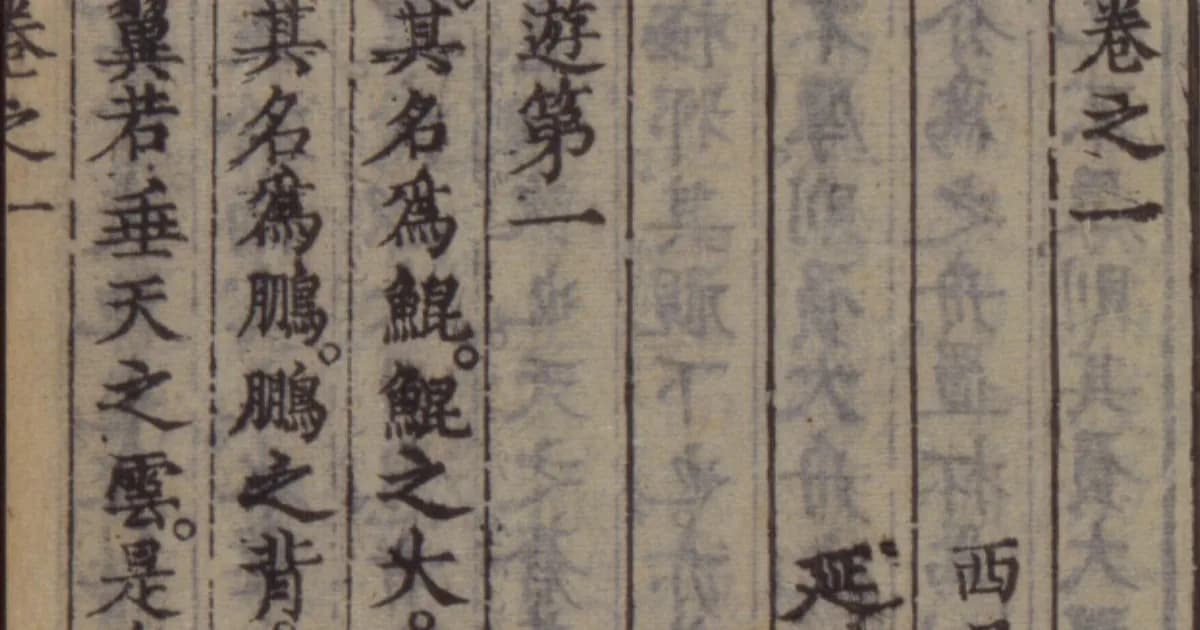
Kunpeng: The Myth Behind Xianxia's Giant Sky Beasts
Novels · 6 min
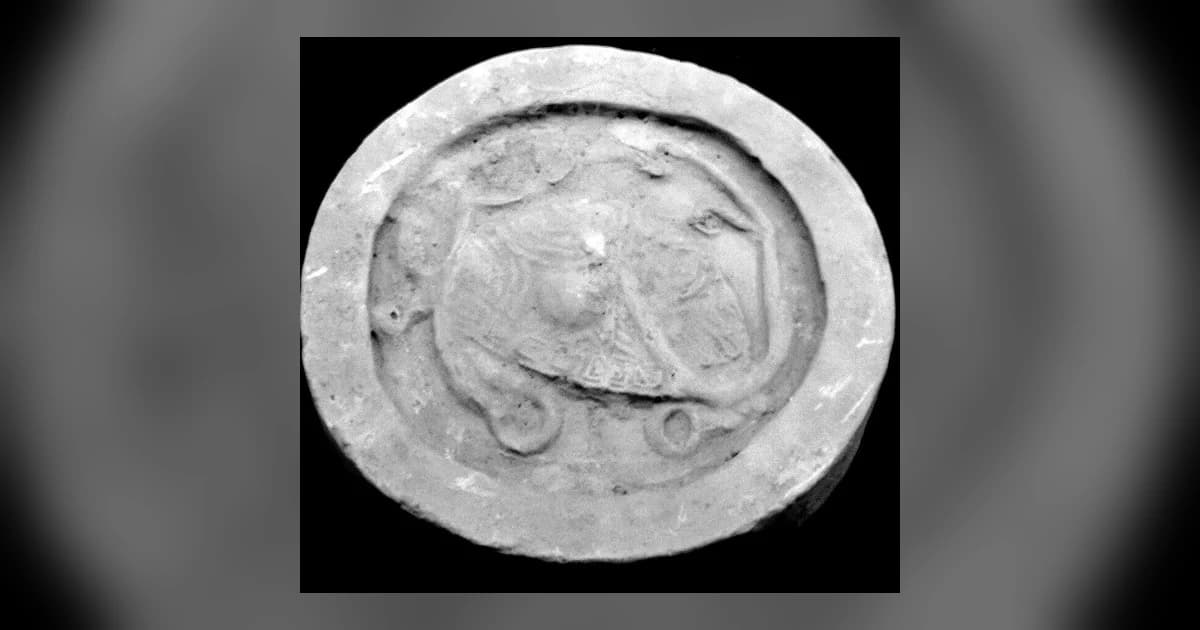
Xuanwu in Chinese Mythology: The Black Tortoise, Then a God
Novels · 9 min
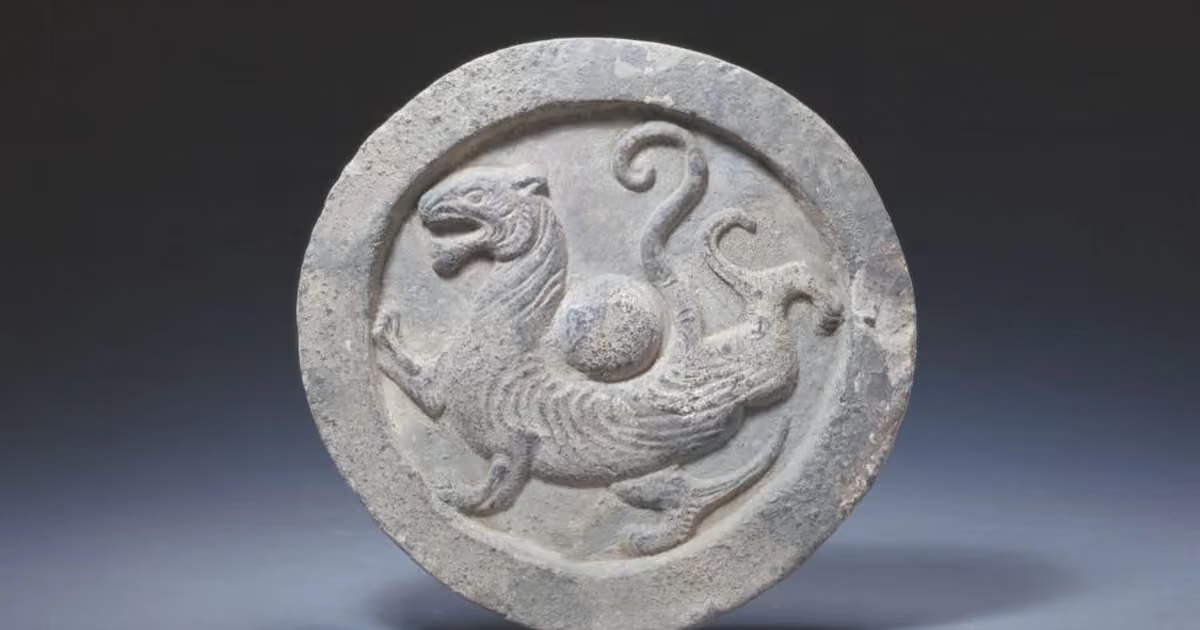
Baihu in Chinese Mythology: The White Tiger of the West
Novels · 7 min
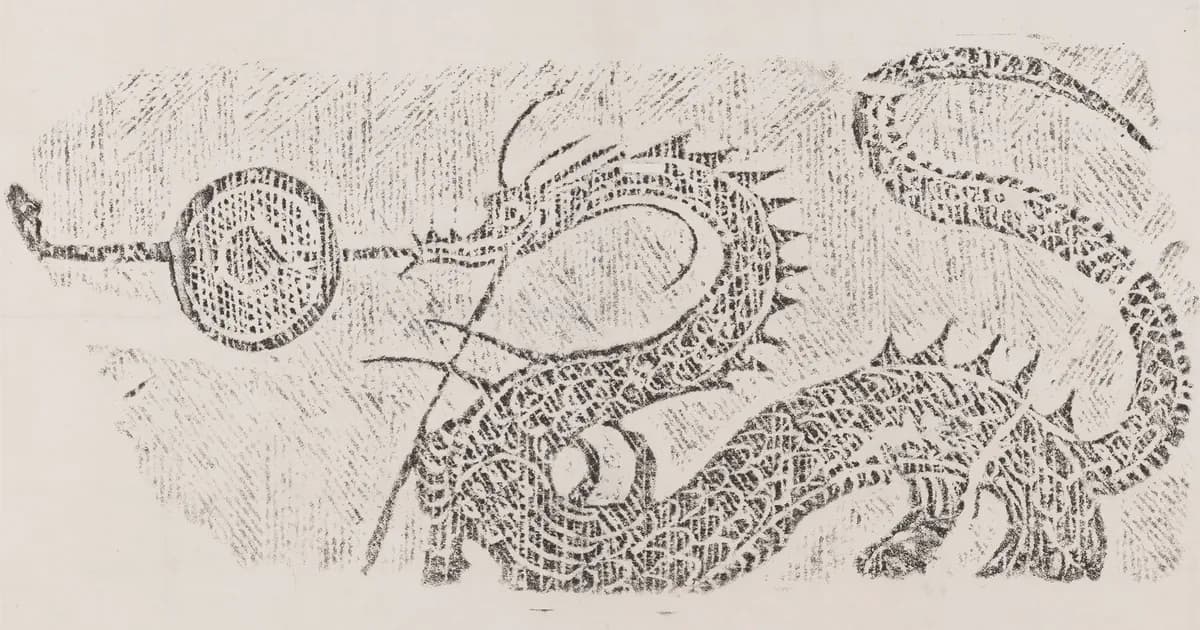
Qinglong in Chinese Mythology: The Azure Dragon of the East
Novels · 9 min
Zhuque in Chinese Mythology: The Vermilion Bird of the South
Novels · 10 min
Shan Hai Jing: Classic of Mountains and Seas Explained
Novels · 7 min

Qilin in Chinese Mythology: Why Xianxia Turned It Into a Pet
Novels · 7 min
Disclaimer
This article is published for informational and entertainment purposes. It does not constitute professional financial, legal, or technical advice. Series availability, platform access, translation status, and chapter counts change. Verify critical details (pricing, regional availability, official translation status) with publishers and platforms. Affiliate links, where present, help support our editorial work and are labelled in our affiliate disclosure.