Loading…
NovelBrief · Novels
Best Xianxia Novels With Female Lead Worth Starting
Looking for the best xianxia novels with female lead energy? These five Qidian-hosted stories put a woman’s cultivation choices at the center.
5 min readBy Mei-Lin Zhao
The best xianxia novels with female lead appeal are not one uniform shelf. Some follow a woman who enters a sect with little protection; others make reincarnation, a game-like premise, or an antiheroic voice the engine. This list starts from what can be checked: Qidian’s own listings, their category labels, their completion labels, and their synopses. It does not turn an unofficial English name into a promised translation.
TL;DR: For the best xianxia novels with female lead focus, start with 我辈女修当自强 for a no-romance grassroots climb, 一仙难求 for a classic woman-cultivator survival story, or 仙本纯良 for a stranger antiheroic voice. All five entries below have real Qidian cover files and source listings; verify your preferred reading language before starting.
Key Takeaways
- These are female-protagonist cultivation stories, not a claim that every xianxia story with women has the same tone.
- Qidian classifies the selected titles as 古典仙侠, or classical xianxia, and its entries shown here mark them complete.
- Where no official English edition was verified, the Chinese title remains the safest identifier.
- The five picks split across grounded progression, reincarnation, transmigration, and deliberately unruly protagonists.
How This Female-Lead Xianxia List Was Chosen
“Best” is a reader-fit word, so this is not a rankings table. Each title had to have a Qidian listing that names it, credits an author, gives a classical-xianxia category, and presents a female-centered premise in the official blurb. That leaves a more useful shortlist than repeating a social-media recommendation without a source page.
The list also avoids treating a cover, a fan translation, and a license as interchangeable. The linked cover images below are downloaded from Qidian’s book-cover CDN. They identify the Chinese work; they do not tell a reader where a legal English edition exists. If a platform offers the story under a translated title, compare the author, original title, and description before assuming it is the same work. That is especially important for older web fiction with multiple community names.
Need the vocabulary first? Read .
What Is Xianxia?
Best Xianxia Novels With Female Lead: Five Picks
1. 我辈女修当自强, We Female Cultivators Must Be Self-Reliant
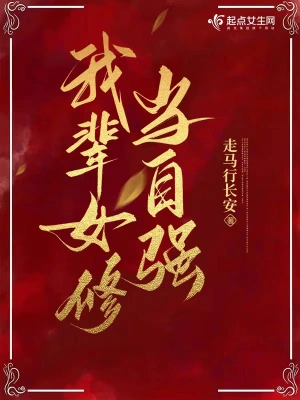
Qidian’s listing calls this a completed classical-xianxia story and gives a very clear pitch: a local, ordinary cultivator’s climb with no rebirth, no book-transmigration, and no cheat device. The description names its heroine, Xu Chunniang, at the point she enters an outer sect, and explicitly labels the work “no CP” and a female-protagonist story. That makes it the best starting point here for readers who want cultivation labor and conviction rather than a romance-first hook.
The former title, 丑丫修真记, is also visible in the source description. Keep that detail when searching. A reader who only searches an English rendering can easily miss the same work under its earlier Chinese name. Choose this one if you want the central question to be how a small figure builds a path without being handed a reset button.
2. 一仙难求, A Difficult Quest for Immortality
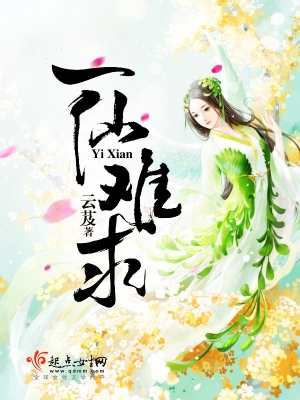
Qidian credits Yun Ji and marks 一仙难求 complete in its classical-xianxia listings. Its official description is unusually blunt about the heroine’s practical constraints: aptitude, methods, pills, and magical tools all matter, while emotion, weakness, mercy, and greed can each become a liability. That is not a promise of a joyless novel; it is a useful signal that the story treats cultivation as an accumulation of difficult choices.
Pick it if you want a classic female-cultivator frame where survival and resources matter as much as a flashy breakthrough. Qidian also identifies 一仙难求 among Yun Ji’s representative female xianxia works in its author interview, which is stronger evidence of its place in that catalog than an anonymous recommendation list.
3. 女配修仙记, The Female Supporting Character’s Cultivation Notes
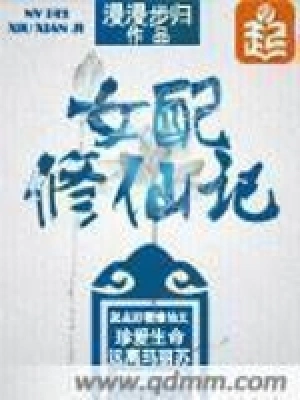
Qidian lists 女配修仙记 by Manman Bugui as completed classical xianxia. The official synopsis frames Lian Jiajia as a transmigrated “cannon fodder” caught between a supposedly lucky heroine and the need to cultivate on her own terms. That is a different kind of female-lead premise from the first two picks: the protagonist’s awareness of genre roles is part of the conflict.
Start here if you enjoy a protagonist who has to navigate status, apparent destiny, and the temptation to stay safely out of another person’s narrative. The official blurb describes a deliberate strategy of keeping distance, improving, and sometimes hiding capability. It is a better fit for readers who want cultivation wrapped around a meta-fictional setup, rather than a pure from-the-village progression story.
4. 仙本纯良, Immortal, Apparently Pure
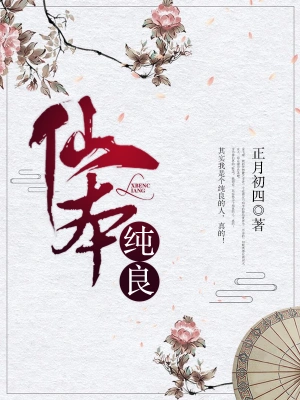
Qidian credits Zhengyue Chusi and labels 仙本纯良 completed classical xianxia. Its summary introduces Jin Feiyao through a deliberately comic contradiction: she says she wants peace and love in the cultivation world while deciding that its scoundrels should disappear. The platform’s own listing describes settings involving ancient wilderness, human, immortal, and witch peoples, so this is the entry to choose for a broader mythic-world texture.
Its heroine is not sold as a flawless moral model. That is precisely the appeal. Readers looking for a more eccentric, self-interested voice should try this before choosing a solemn perseverance story. The title’s irony is part of its stated premise, not a claim added by this guide.
5. 我做炮灰女配的那些年, My Years as a Cannon-Fodder Supporting Woman
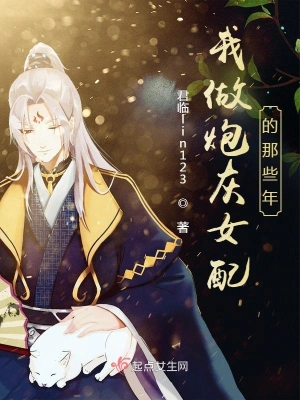
Qidian lists this completed classical-xianxia novel by Junlin lin123. Its synopsis begins with Chu Yu believing she has landed in a historical household-drama setup, only to discover a female-lead cultivation world beyond the courtyard. The source describes three sisters with different advantages who keep moving toward the highest view of the immortal path. It also notes that the romance status is uncertain rather than presenting a fixed pairing.
That family-and-sisters focus distinguishes it from a lone-wanderer recommendation. Choose it if you want female characters whose relationships matter to the resource and survival story, rather than a lead isolated from every other capable woman. It is still a cultivation narrative, but its starting pressure is household danger before the wider sect world opens up.
If a listing calls itself xianxia but its rules feel different, explains the overlap.
Wuxia vs. Xianxia
Best Xianxia Novels With Female Lead: Pick by Mood
Choose 我辈女修当自强 for a grounded, explicitly no-CP journey from limited means. Choose 一仙难求 when you want a classic story about the costs and discipline of a woman’s cultivation. Choose 女配修仙记 for a meta premise in which the heroine knows she has been placed in a dangerous story role. Choose 仙本纯良 for mischief, irony, and a less saintly protagonist. Choose 我做炮灰女配的那些年 when a sister-centered progression setup sounds most inviting.
None of those fit labels replaces sampling a chapter. A platform’s genre tag tells you a work’s shelf, not whether its sentence-level style works for you. Use the original title and author as your search anchor; then check the current platform, language, and availability before you invest in a long serial. That small check prevents the most common disappointment in cross-language reading: finding a discussion of a work, then discovering it pointed to a different edition or an unverified translation.
Frequently Asked Questions
Are these novels officially available in English?
This list verifies the Chinese source listings on Qidian. Check a publisher or platform before assuming that an English edition is licensed.
Are all five stories complete?
The Qidian listings used for this guide label the five selected stories complete, but availability and edition status can vary by platform.
Do these stories all have romance?
No. The Qidian description for 我辈女修当自强 explicitly presents it as a no-CP female-protagonist story; other entries have different relationship emphases.
What does xianxia mean here?
Here it means Chinese fantasy built around cultivation, sects, spiritual techniques, and a path toward greater power or immortality.
Why are the English titles descriptive rather than definitive?
Several selected works do not have a verified official English edition in this research, so the original Chinese title is included to prevent a translation label from being mistaken for a license.
Related Reading
- What Is Xianxia?
- Wuxia vs. Xianxia
- Official Translation vs MTL
- 3 Murim Novels With a Female MC: Official Webnovel Picks
- Best Transmigration Novels With a Female Lead (2026)
References
About the author

Danmei & Genre Critic
Danmei and xianxia critic with a background in comparative literature, writing about Chinese web fiction in English since 2019. Toronto-based.
- Writing about danmei and xianxia in English since 2019
- Graduate background in comparative literature
- Tracks the fan-translation-to-official-license pipeline
- Follows Seven Seas' convention announcements directly
Disclaimer
This article is published for informational and entertainment purposes. It does not constitute professional financial, legal, or technical advice. Series availability, platform access, translation status, and chapter counts change. Verify critical details (pricing, regional availability, official translation status) with publishers and platforms. Affiliate links, where present, help support our editorial work and are labelled in our affiliate disclosure.
Comments
Loading comments…