Loading…
NovelBrief · Reviews
Children of the Holy Emperor Review: A Doting OP Dad
Our Children of the Holy Emperor review covers Lee Sungjin's possession of a scumbag prince, its found-family core, and its on-hiatus Tapas translation.
8 min readBy Daniel P. Cross
Reviewing
Children of the Holy Emperor
CaffeineTree (카페인나무s) · Kakaopage / FANSiA (original); Tapas (English)
8.1
Score
8.1/ 10
KakaopageTapas
Pros
- The Holy Emperor father figure is a genuinely rare archetype: overpowered, but written as attentive and loving rather than distant or performative
- Multiple-POV structure gives siblings real interiority instead of leaving them as background set dressing for the possessed protagonist
- No forced romance subplot competing with the family-focused core, which keeps the found-family arc the actual point of the story
- A real mystery engine underneath the comedy: Morres is confirmed as an unreliable narrator with his own concealed plans
Cons
- Official English translation on Tapas is on hiatus, citing localization logistics, and covers only 152 chapters of an ongoing, currently-paused original as of this writing
- Multiple POV shifts can feel disorienting early on, and some reviewers note character personalities shift somewhat as the story develops
- Side siblings get uneven screen time; a few are mentioned only in passing despite the ensemble framing
Verdict
A genuinely different possession-fantasy hook, anchored by one of the genre's better parent characters, held back only by an incomplete, currently-paused official English translation.
TL;DR: This Children of the Holy Emperor review covers Lee Sungjin's possession of Morres, the disgraced Third Prince of the Holy Empire of Delcross, in an ongoing Korean novel built around family rather than romance. The official Tapas translation is currently on hiatus at chapter 152.
Key Takeaways
- Children of the Holy Emperor follows Lee Sungjin, Earth's strongest hunter, who wakes up possessing scumbag Third Prince Morres after dying to a demon king, who is also now trapped in his head.
- Written by CaffeineTree, the novel has been serializing on Kakaopage since February 2022 and is currently on hiatus in its home serialization as of this writing.
- The official Tapas English translation covers 152 chapters and is also on hiatus, citing localization logistics.
- The story centers on family, not romance: the Holy Emperor's relationship with his children carries the plot instead of a central couple.
Children of the Holy Emperor Review: Overview
Children of the Holy Emperor (성황의 아이들) opens with a swap most possession novels don't attempt. Lee Sungjin isn't reincarnated into a blank slate or a beloved hero. He wakes up as Morres, the Holy Empire of Delcross's disgraced Third Prince, a character the story itself openly calls "trash." The demon king that killed him on Earth comes along for the ride, trapped in his head as an unwilling ally rather than a villain waiting to strike.
That setup alone would carry a lesser story. What actually makes this Children of the Holy Emperor review worth writing is what CaffeineTree builds around it. The Holy Emperor himself, Morres's father, is written as genuinely, consistently doting. He's an overpowered ruler whose real conflict isn't political intrigue. It's the exhausting, funny work of parenting several very unusual children. That's the throughline of this Children of the Holy Emperor novel from CaffeineTree: family first, power second.
Art & Story
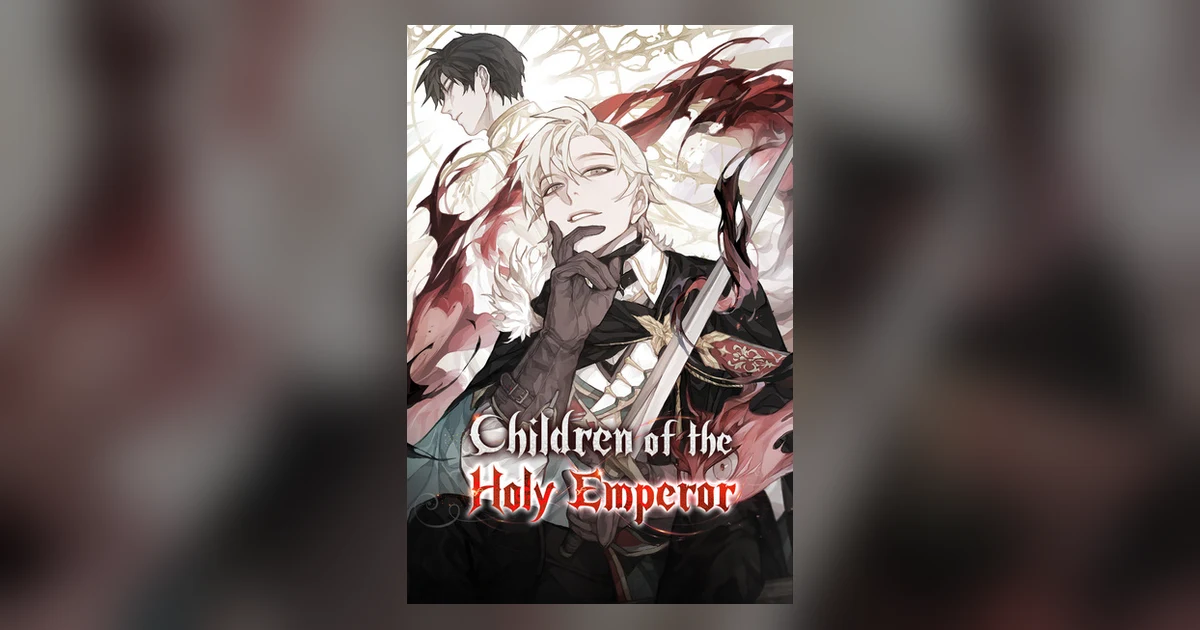 Official Tapas cover art, Morres front and center with his sword.
The multiple-POV structure is the novel's biggest structural swing, and it mostly pays off. Chapters rotate through the Holy Emperor, the "Regressor" First Princess, the "Player" First Prince, and other family members. Each one carries their own established archetype into a shared household. It's a clever trick. Instead of one overpowered protagonist, the story treats an entire family as individually strong characters who still have to deal with each other at the dinner table.
The found-family angle is the real engine here, and it's handled with more sincerity than cynicism. The Holy Emperor's affection for his children isn't a cool, detached facade concealing softness underneath. He's warm on the surface too, a real departure from the stoic-guardian archetype common to this genre. Reader reviews across the fan community single this out repeatedly. The father-child dynamic, not the action or the mystery plot, is what keeps people rereading this Children of the Holy Emperor story.
Morres himself is where the story earns its sharper edge. He's confirmed across later chapters to be an unreliable narrator with his own concealed agenda. That reframes his early "trash prince" behavior as at least partly deliberate, not just sloppy setup. The twist gives the comedy real teeth. The jokes about Morres being a troublemaker land differently once it's clear some of that reputation is a chosen cover.
Children of the Holy Emperor Review: What Holds It Back
The honest gap here is availability, not craft. Tapas's official English translation launched in August 2024 and reached 152 chapters before going on hiatus. The publisher cites localization logistics, not a creative pause. The original Korean serialization is itself currently on hiatus too. English readers are following an incomplete translation of an incomplete original, a double uncertainty worth knowing before committing.
Curious how a Korean web novel's official English release actually differs from a Chinese one in practice?
What Is Danmei? A Beginner's Guide to Chinese Fiction →
The multiple-POV approach that makes the family ensemble work also has a real cost early on: several reader reviews describe the perspective shifts as disorienting in the opening chapters, before the cast and their respective "power" archetypes settle into place. A handful of reviewers also note that certain characters, the Holy Emperor included, read as slightly more indifferent in later chapters than their earlier introductions suggested, alongside complaints that some siblings barely appear despite the ensemble framing.
Want to see how a completed, fully-translated series handles ensemble family dynamics without a hiatus risk?
Sha Po Lang Review →
Verdict
The Good
- The Holy Emperor father figure is a genuinely rare archetype: overpowered, but written as attentive and loving rather than distant or performative
- Multiple-POV structure gives siblings real interiority instead of leaving them as background set dressing for the possessed protagonist
- No forced romance subplot competing with the family-focused core, which keeps the found-family arc the actual point of the story
- A real mystery engine underneath the comedy: Morres is confirmed as an unreliable narrator with his own concealed plans
The Cons
- Official English translation on Tapas is on hiatus, citing localization logistics, and covers only 152 chapters of an ongoing, currently-paused original as of this writing
- Multiple POV shifts can feel disorienting early on, and some reviewers note character personalities shift somewhat as the story develops
- Side siblings get uneven screen time; a few are mentioned only in passing despite the ensemble framing
Children of the Holy Emperor earns its reputation among readers for a reason genuinely different from most possession novels. It's the family, not the fights, doing the emotional work. As a CaffeineTree novel, it leans into found-family warmth over spectacle, and that choice is what makes it stand out. The hiatus on both the Korean original and the Tapas translation is a real, current limitation, not a minor caveat, so go in knowing you're following an unfinished story. If a doting overpowered dad and a found-family ensemble sound like your speed, this Children of the Holy Emperor review says it's worth the read regardless.
Rating: 8.1/10
Frequently Asked Questions
Q: What is Children of the Holy Emperor about? A: Lee Sungjin, Earth's strongest hunter, dies fighting a demon king and wakes up possessing the body of Morres, the disgraced Third Prince of the Holy Empire of Delcross, with the demon king's consciousness trapped in his head alongside him.
Q: Is Children of the Holy Emperor completed? A: No. The original Korean novel has been serializing since February 2022 and is currently on hiatus in its home serialization. The official Tapas English translation is also on hiatus, citing localization logistics, after covering 152 chapters.
Q: Who wrote Children of the Holy Emperor? A: Children of the Holy Emperor was written by CaffeineTree (카페인나무s), with art by Bebseo (뱁세오), and originally serialized on Kakaopage starting in 2022.
Q: Is there romance in Children of the Holy Emperor? A: No. The novel is built around familial love rather than a romantic subplot, focusing on the relationship between the Holy Emperor and his children rather than a central couple.
Q: Where can I read Children of the Holy Emperor in English? A: Tapas hosts the official English translation, currently covering the first 152 chapters before its hiatus. The original Korean text is not licensed for a separate print release as of this writing.
Related Reading
- What Is Danmei? A Beginner's Guide to Chinese Fiction
- Sha Po Lang Review
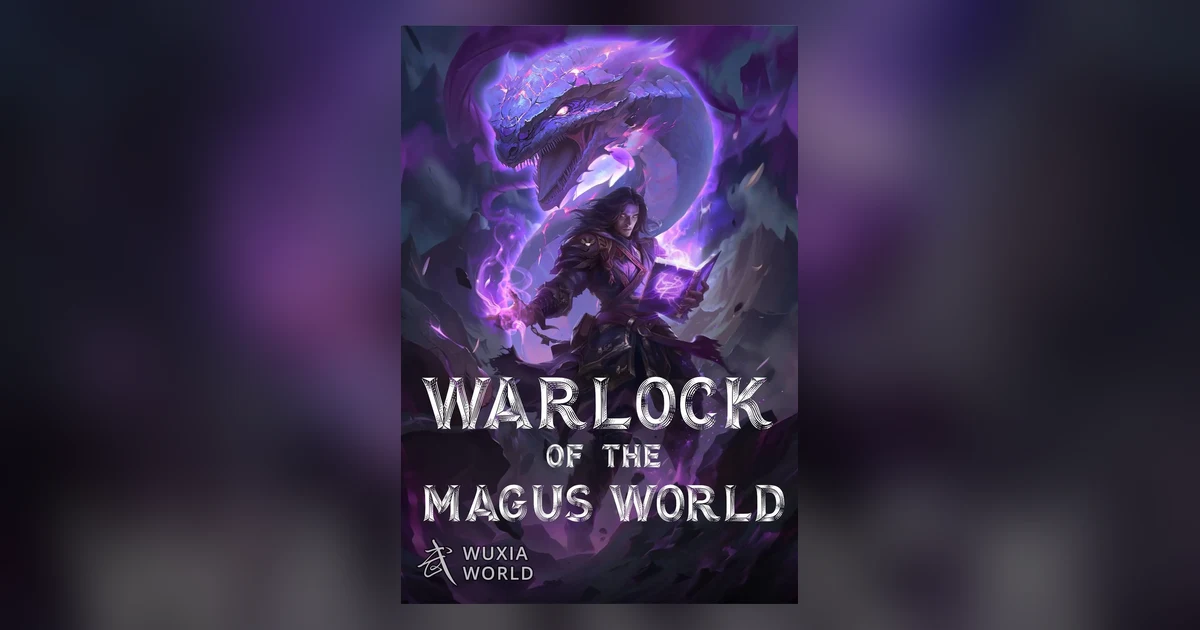
- Warlock of the Magus World Review
- Manor Lord Review: 305 Chapters of Building England
References
[1] Children of the Holy Emperor Wiki: Novel overview [2] Tapas: Children of the Holy Emperor (official English translation)
About the author

Senior Reviewer & Reading Guide Editor
Web novel reviewer and critic with a decade covering translated Chinese fiction, from fan-translation forums to official Webnovel.com releases. London-based.
- 10 years reviewing translated web fiction, official and fan-translated
- 600+ novels read to completion or a confident drop point
- Specializes in translation-quality and pacing assessment
- Tracks reading-order pitfalls in 1,000+ chapter novels


Disclaimer
This article is published for informational and entertainment purposes. It does not constitute professional financial, legal, or technical advice. Series availability, platform access, translation status, and chapter counts change. Verify critical details (pricing, regional availability, official translation status) with publishers and platforms. Affiliate links, where present, help support our editorial work and are labelled in our affiliate disclosure.
Comments
Loading comments…