
NovelBrief · Guides
Reverend Insanity Gu System Explained for New Readers
Reverend Insanity Gu system explained: learn what Gu are, how ranks and essence work, why refinement matters, and how to read paths safely.
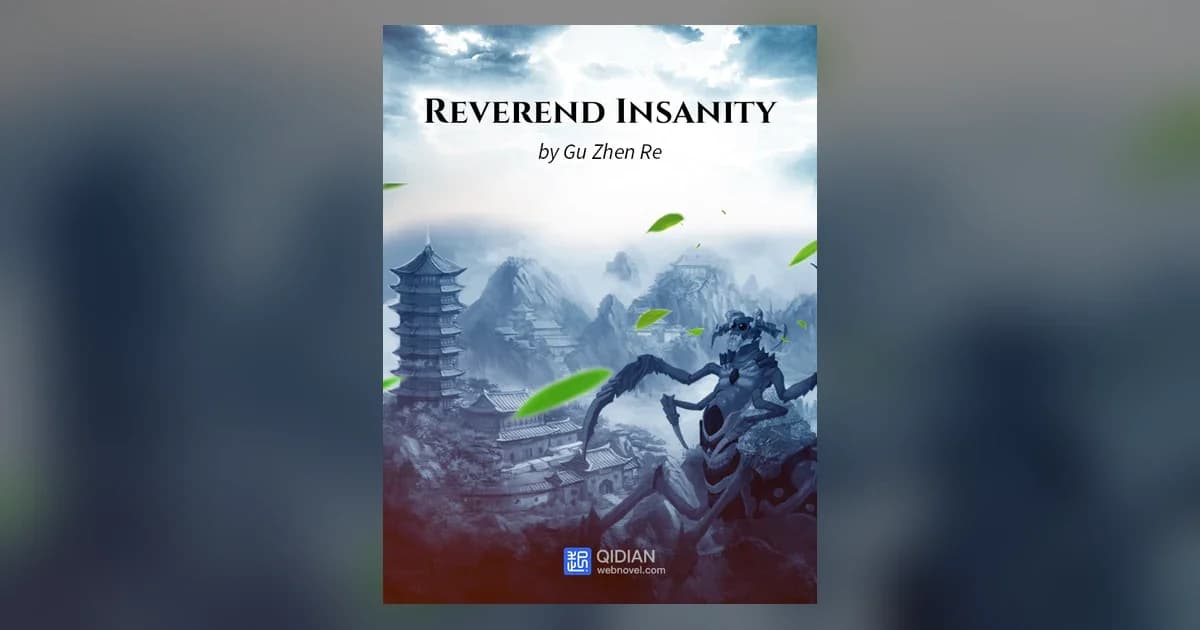
The reverend insanity gu system trips up new readers because Gu look like spells on the page but behave like livestock. Wikipedia's summary of the novel calls Gu "sentient creatures" and says each one "grants exactly one ability," and everything else in the system (ranks, essence, feeding, paths) follows from that. This guide explains those stable mechanics without spoiling the plot, using only what the official WebNovel listing, Wikipedia and the Saga of Gu wiki say, checked on October 8, 2026.
TL;DR: Gu are living creatures with one ability each. A Gu Master has to find, subdue, refine, feed and combine them, and pays to activate them with primeval essence stored in the aperture. There are nine ranks: 1 to 5 are mortal Gu Masters, 6 and above are Gu Immortals who cultivate immortal essence and wield immortal Gu.
Key Takeaways
- Gu are living creatures, and each grants exactly one ability (Wikipedia).
- Users have to locate, subdue, refine, feed and combine them, and wild Gu are finite, so scarcity drives the world's economy and its wars.
- The aperture is an inner space that stores the primeval essence used to activate Gu.
- Cultivation runs from rank 1 to rank 9, with four stages per rank. Rank 6 and above are Gu Immortals, who cultivate immortal essence and wield immortal Gu.
- Paths (blood, soul, wisdom, luck, time and others) organize methods and resources, and strong cultivators combine several Gu into "killer moves."
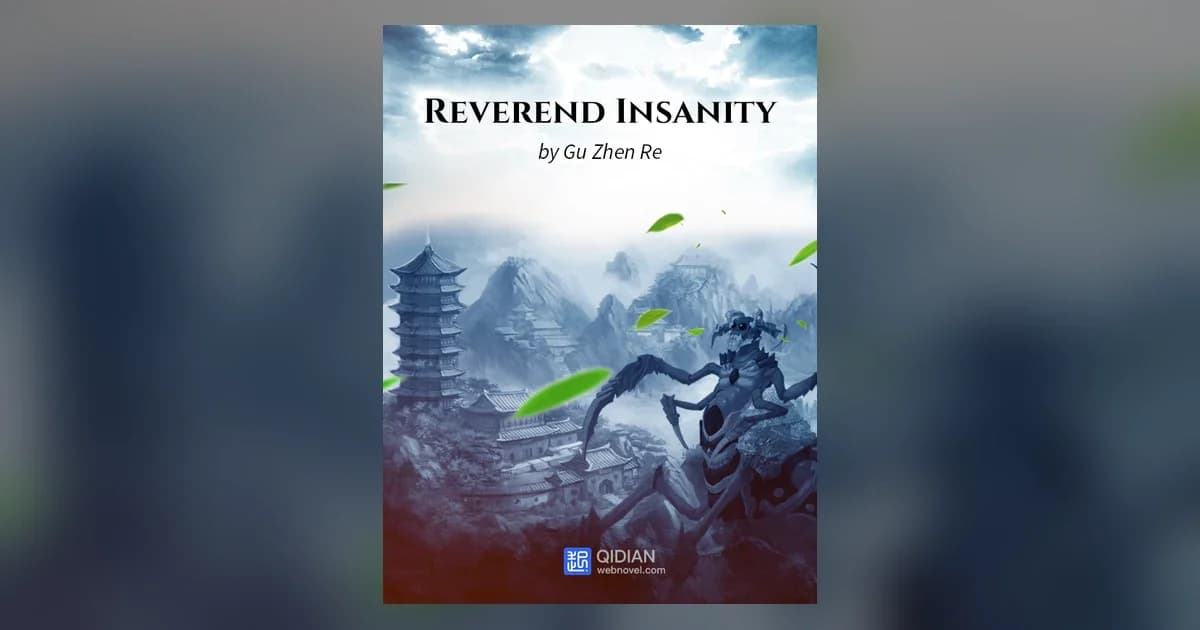
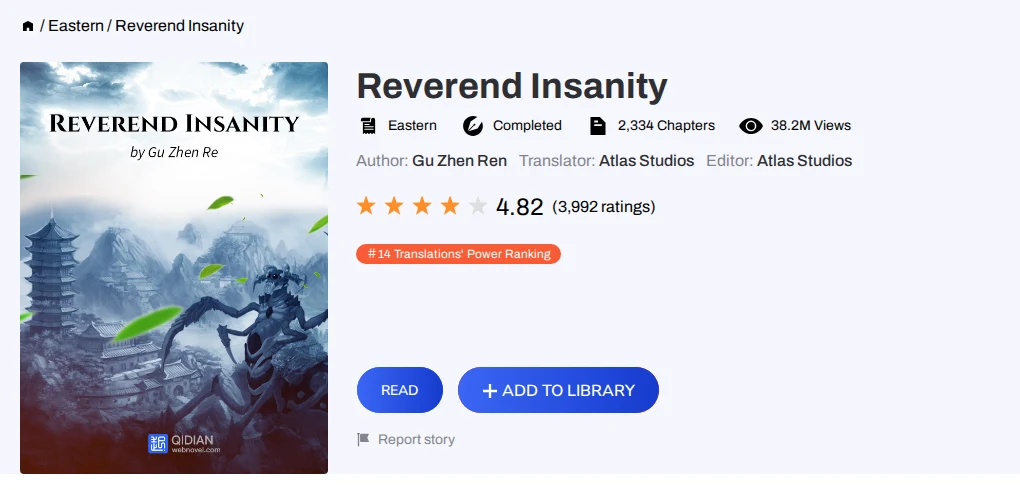 Screenshot: Reverend Insanity on WebNovel, October 8, 2026. The synopsis already names Moonlight Gu and Liquor worm.
Reverend Insanity Gu System: What Gu Are
A Gu is a living creature with one ability, and the user has to work for it. Wikipedia describes Gu as "sentient creatures" and lists the range of those single abilities as running "from blades of moonlight to time reversal and the manipulation of destiny." The same summary gives the life cycle in five verbs: Gu "must be located, subdued, refined, fed, and combined by their users."
That list is the most useful sentence for a new reader. Finding a Gu, subduing it, refining it, keeping it fed and fitting it into a combination are five separate jobs. The list also explains why the setting feels so tight-fisted. Wikipedia says that "because prime materials and wild gu are finite, the world's economy and its wars are driven by scarcity."
Readers on WebNovel single out the same thing. Reviewer adsegm wrote that Gu "need to be fed and can have opposing properties," which is why you cannot simply stack every Gu you own. The official synopsis leans into this from the first page by naming Gu instead of techniques: "The Spring Autumn Cicada, Moonlight Gu, Liquor worm."
Reverend Insanity Gu System: Ranks and Essence
The ladder has nine ranks, and rank 6 is the line that matters. Per Wikipedia, "ranks one to five are mortal gu masters, while rank six and above denotes gu immortals, who cultivate immortal essence, wield immortal gu," and open personal pocket worlds called blessed lands. The Saga of Gu wiki adds that "each rank has four stages," so a character can climb inside a rank before breaking through to the next one.
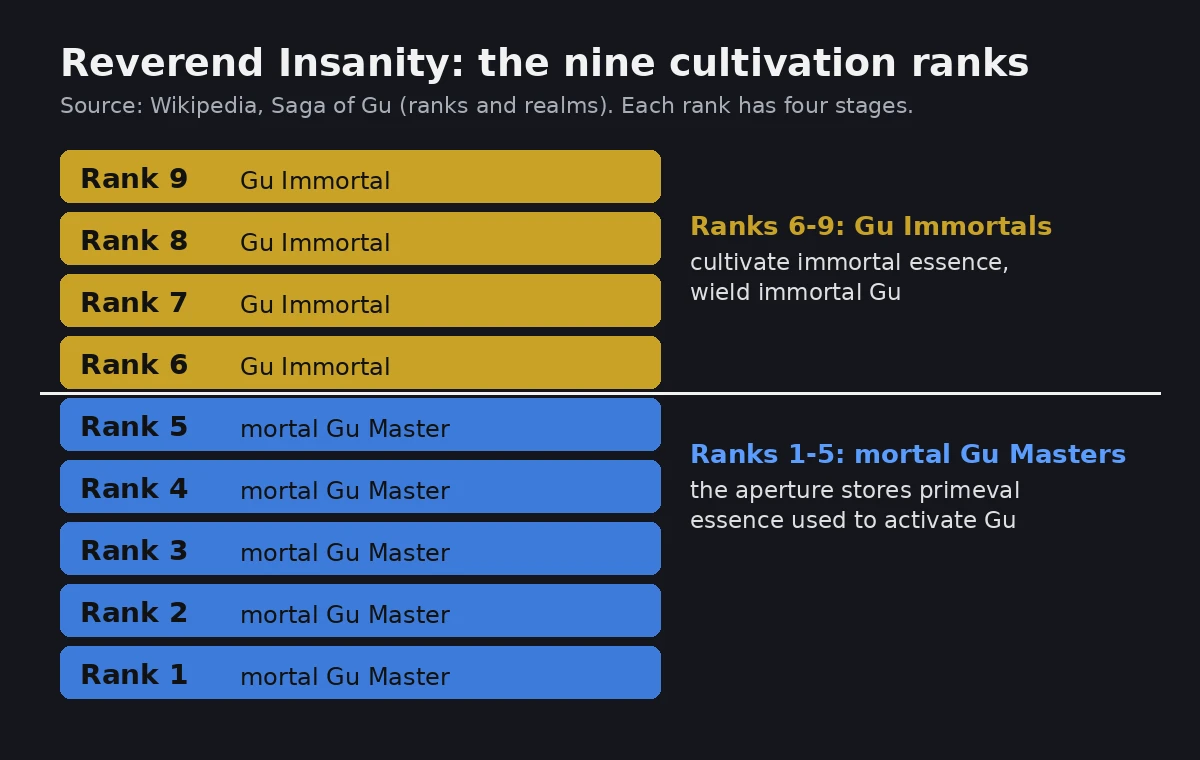 Image: NovelBrief chart built from the Wikipedia and Saga of Gu rank descriptions.
Mortal ranks run on primeval essence. Gu Masters "awaken an aperture," which Wikipedia defines as "an inner space that stores the primeval essence used to activate gu." The Saga of Gu entry on the aperture spells out why that matters in a fight: a Gu Master draws "on a finite pool whose size and recovery speed depend on talent, and fights turn on who still has essence left."
The early chapters also set expectations about how hard the climb is. In the Gu Yue academy lesson, according to the Saga of Gu ranks page, the village "can name only two rank five masters across its past." Resources are the other brake: the same page says "primeval stones are the driving force behind a gu master's advancement," and "gu worms still need food."
The community talks about ranks the same way. In an r/ReverendInsanity thread asking how far a reader would get if born in the Gu World, the poster lists the starting points as "Ordinary mortals, Rank 1-5 Gu Masters, or powerful Gu Immortals" and adds: "Cultivation isn't free. You need Gu, primeval stones, materials, food, information, and countless other resources." (thread on Reddit)
Reddit thread from r/ReverendInsanity. The post names characters and eras from later in the novel.
Refinement, Feeding, and Activation Are Separate Costs
A Gu's ability is only the first cost. Each Gu also has to be refined before it obeys, fed to stay alive, and paid for in essence every time it is used, and a plan can break at any of those points. That is the practical meaning of Wikipedia's "located, subdued, refined, fed, and combined."
The design also stops any one Gu from settling every fight. Skyfarrow, who says in the review that they are the novel's original translator, wrote on WebNovel that the author "always tries to make sure that every Gu has a weakness that can be countered. So there is no absolute 'most-powerful Gu' in this world." When a scene turns on a counter instead of raw power, that is the system working as designed.
Reverend Insanity Reading Guide covers chapter order and editions rather than repeating this mechanics primer.
A Worked Example: Moonlight Gu
Moonlight Gu shows the whole cost structure in one early, spoiler-safe creature, and the official synopsis names it. The Saga of Gu entry describes it as "a rank one mortal gu and the signature gu of the gu yue clan," and notes it is "not a wild natural gu: the clan cultivates the breed by a secret method."
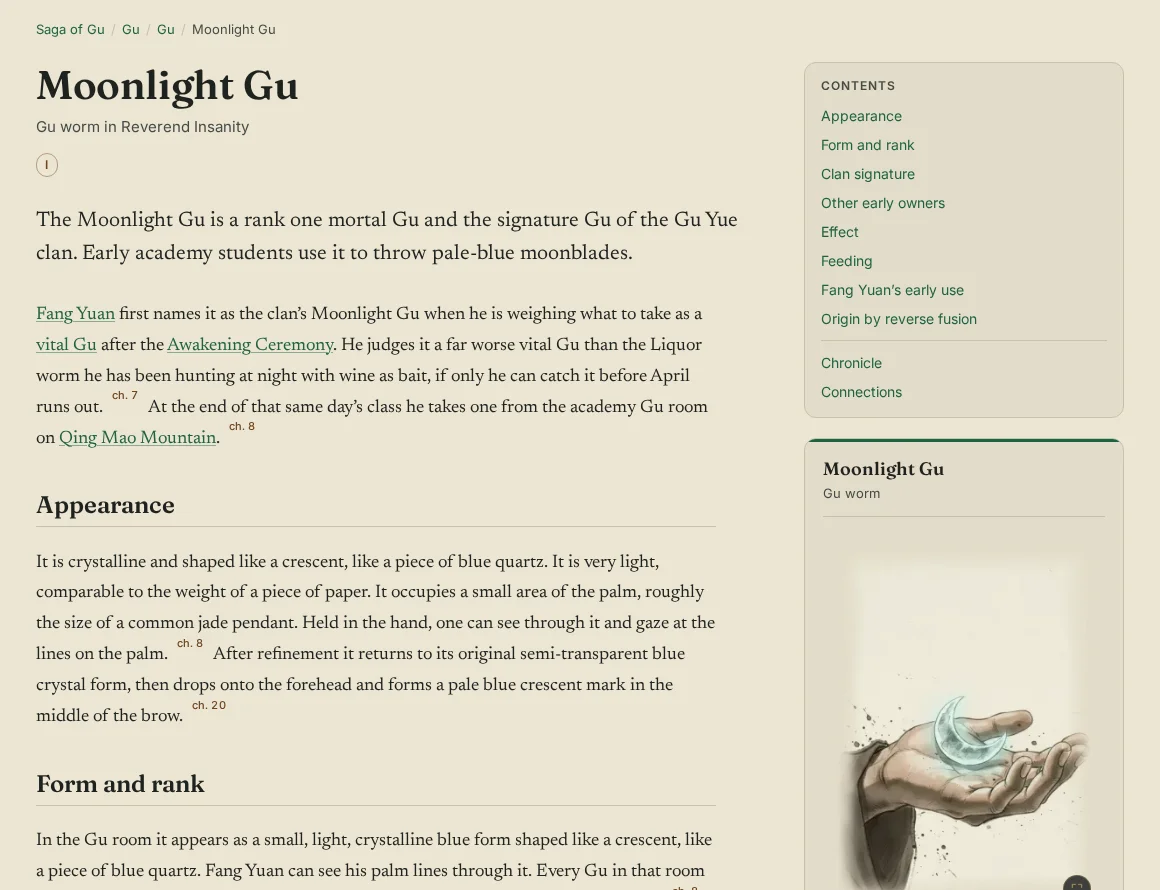 Screenshot: Saga of Gu wiki, Moonlight Gu entry.
Each cost from the previous section shows up here:
- Activation: "one moonblade costs about 10% of a rank one gu master's primeval essence."
- Feeding: "it eats moon orchid petals: two meals a day, two petals each meal," and without special storage the petals "spoil in about five days."
- Combination: with Little Light Gu in the same palm, "the moonblade roughly doubles in size and range."
That is a lot of bookkeeping for a rank one Gu, which is the point. When a later Gu looks like a simple weapon, ask the same three questions about it.
Paths and Specialization Without a Spoiler Dump
Paths are specializations. Wikipedia says cultivation "is further organised into 'paths', among them blood, soul, wisdom, luck, time, formation, refinement, and transformation, each with its own methods and resources." The same passage says expert cultivators "combine multiple gu into 'killer moves'," which is where combination stops being a feeding problem and becomes a fighting style.
For a first read, note three things when a path appears: what problem it solves, which Gu express it, and what resource limits it. There is no need to learn every path name before the novel introduces it. A path tells you why two Gu belong together, but each Gu still has its own rank, food and activation cost.
How to Read a Gu Scene Without Losing the Rules
A short note per Gu is enough: its name, its rank if the chapter gives one, the user's rank, what it eats, and what it costs to activate. Update the note when a Gu changes owner or a character breaks through to a new rank.
Expect the system to take a while to click. WebNovel reviewer WisH wrote: "At first, I have a tough time imagining and understanding the whole system due to the lack of good explanation. Then, after 100+ chapter did I develop some understanding of the system." A running note shortens that.
Step-by-Step
1. Identify the creature: Write down the Gu name and the one ability the scene actually shows. Do not add powers from a title or a fan wiki.
2. Mark its state: Record whether the chapter presents the Gu as wild, captured or refined. Control depends on this.
3. Record both ranks: Note the Gu's rank if stated and the user's rank. Compare them before assuming the Gu is usable.
4. Track the essence type: Primeval essence for ranks 1 to 5, immortal essence for Gu Immortals at rank 6 and above.
5. Add the feeding condition: If the text names food or a feeding interval, write it beside the Gu.
6. Name the path context: If a path is mentioned, write down what problem or method it organizes. Leave the sub-rules blank until the novel states them.
7. Recheck after a breakthrough: When the user changes rank, update which Gu and which essence they can actually use.
Tips for a Spoiler-Light Gu Glossary
- Keep the chapter number and the translation's spelling next to each Gu, because names vary between translations.
- Keep Gu names and path names in separate lists. One is a creature, the other a specialization.
- Do not call every rare Gu an immortal Gu. Immortal Gu belong to Gu Immortals, rank 6 and above.
- If a wiki disagrees with the chapter in front of you, keep the chapter's wording.
- Stop your glossary at the chapter you have reached. Wiki pages run far ahead of a first read.
Our Take
Based on the sources above, the Gu system is easier to follow as an economy than as a magic system. Every Gu has one ability and a bill attached: refinement, food and essence, and Wikipedia's point about scarcity driving wars makes that bill the engine of the plot. Tracking those costs, rather than the ability names, is the easiest way to follow why a scene goes the way it does. The trade-off is the slow start that WisH describes; the rank 6 divide and the aperture's essence limit are the two rules worth learning first.
How We Checked This
We used 4 sources, all opened on October 8, 2026: the official WebNovel listing (status, chapter count, rating, synopsis and reader reviews), Wikipedia's Reverend Insanity article (setting and ranks), the Saga of Gu wiki (rank stages, aperture, Moonlight Gu), and one r/ReverendInsanity thread. Every number and quote in this guide has a row in our source table, and the screenshots were taken the same day. The two Saga of Gu figures (four stages per rank, Moonlight Gu's costs) come from a fan wiki that cites chapter numbers; we have not checked them against the chapters themselves.
Reverend Insanity Character Guide: Who's Who is for names and roles. It is not a substitute for the rank, essence and refinement rules here.
Frequently Asked Questions
What are Gu in Reverend Insanity?
Gu are living creatures with one ability each. A Gu Master has to locate, subdue, refine, feed and combine them, and spends essence to activate them.
How many Gu Master ranks are there?
Nine. Ranks 1 to 5 are mortal Gu Masters, and rank 6 and above are Gu Immortals.
What is the difference between primeval and immortal essence?
Mortal Gu Masters activate Gu with primeval essence stored in the aperture. Gu Immortals, rank 6 and above, cultivate immortal essence and wield immortal Gu.
Can any Gu Master use any Gu?
No. Refinement, feeding, essence reserves and rank all limit what a Gu Master can actually use.
Is this a reading-order guide?
No. It is a spoiler-light mechanics primer. Use the separate reading guide for chapter order and editions.
Related Reading
- Reverend Insanity Reading Guide
- Reverend Insanity Review
- Reverend Insanity Character Guide: Who's Who
- What Is Xianxia? A Beginner's Guide
- Novels Like Reverend Insanity
References
Was this guide helpful?
About the author

Senior Reviewer & Reading Guide Editor
Web novel reviewer and critic with a decade covering translated Chinese fiction, from fan-translation forums to official Webnovel.com releases. London-based.
- 10 years reviewing translated web fiction, official and fan-translated
- 600+ novels read to completion or a confident drop point
- Specializes in translation-quality and pacing assessment
- Tracks reading-order pitfalls in 1,000+ chapter novels
Keep reading
Reverend Insanity Reading Guide: Start Here, Finish Strong
Guides · 10 min

Reverend Insanity Character Guide: Who's Who, Spoiler-Safe
Guides · 10 min
Novels Like Reverend Insanity, Picked by Protagonist Type
Novels · 5 min
Reverend Insanity Reading Order: Start Here, No Skips
Guides · 5 min
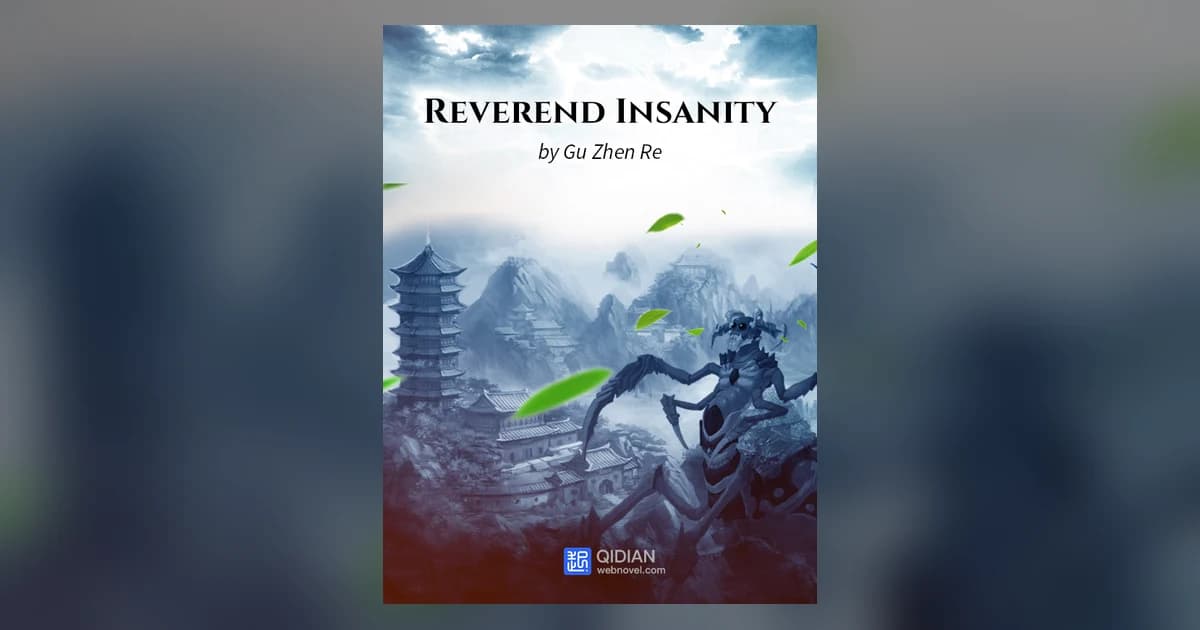
Reverend Insanity Review: Is It Worth 2,333 Chapters?
Reviews · 8 min

Cultivation Novel Genre Fatigue: Has Xianxia Shifted?
Novels · 9 min
Best Completed Xianxia Novels in 2026: Six Long Reads
Novels · 8 min
Zhuque in Chinese Mythology: The Vermilion Bird of the South
Novels · 10 min
Disclaimer
This article is published for informational and entertainment purposes. It does not constitute professional financial, legal, or technical advice. Series availability, platform access, translation status, and chapter counts change. Verify critical details (pricing, regional availability, official translation status) with publishers and platforms. Affiliate links, where present, help support our editorial work and are labelled in our affiliate disclosure.
Comments
Loading comments…